 Tennessee Injury Law Center


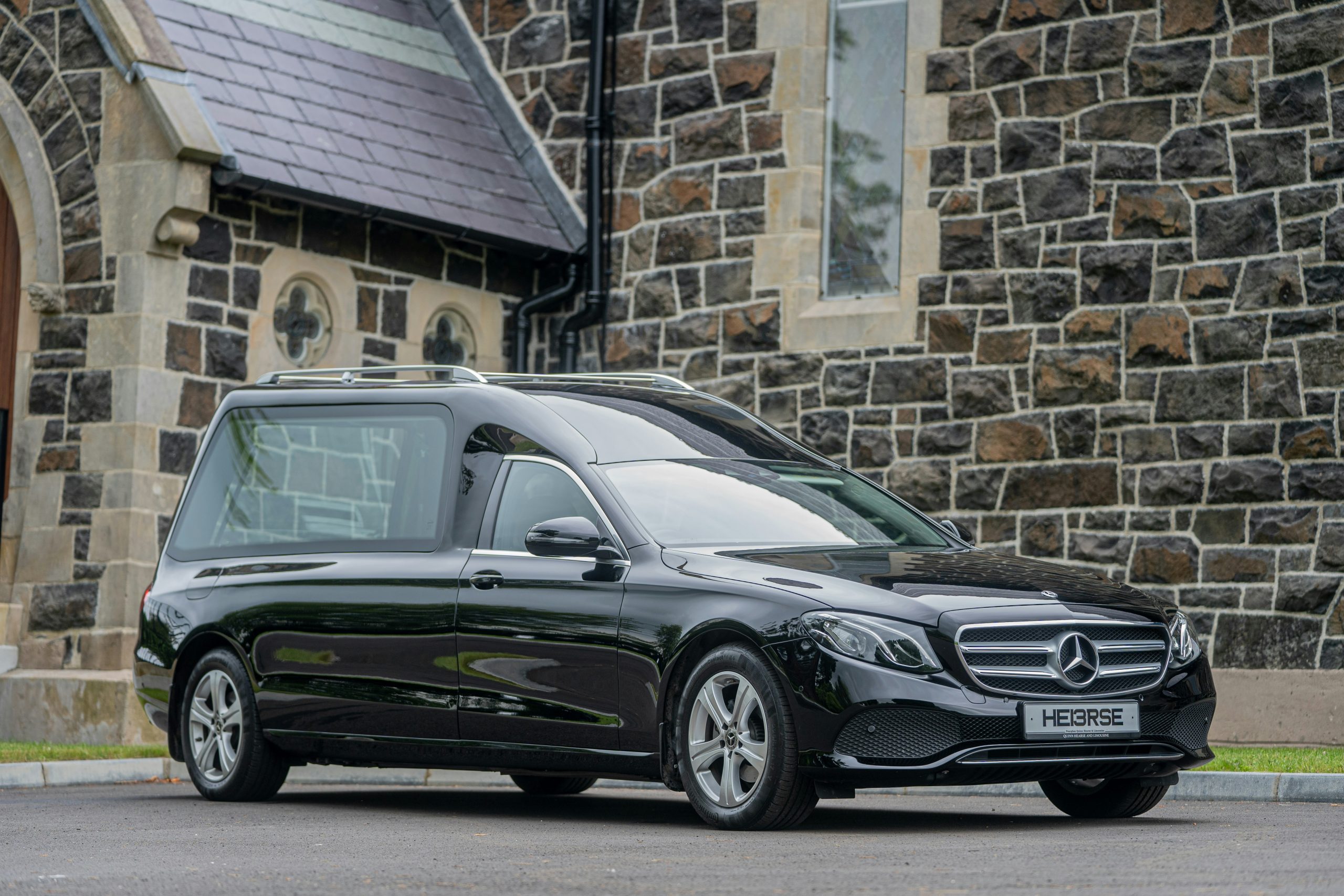
Recently in Shelbyville, Tennessee, I was driving behind the final car of a funeral procession. As the procession passed, drivers pulled over in a sign of respect for those mourning the loss of a loved one and waited until the last car passed and then went on their way. In fact, one woman got out of her car and bowed her head. The respect that most Tennesseans have for funeral processions is something for which I have always been proud. But apparently, others feel differently. So, what is the law in Tennessee with respect to funeral processions?
Quite frankly, I thought everyone felt the same way I did until some time ago when an electrician working at our house was irritated to the point of a barrage of profanity that he had been delayed by a funeral procession. I politely explained that it was a common courtesy; the same as helping the elderly or a neighbor and that surely his inconvenience in being delayed 2 minutes paled in comparison to the loss the people in the funeral procession were bearing.
I now know that the electrician was not alone in his feelings about funeral processions. Just Google: “Funeral processions are stupid” and you will find Reddit chats and other sites where people are incredulous that the people attending the funeral can’t just use GPS to find the cemetery (Of course, they can. It is not about that.) Others who are simply irate, like the electrician, that they have been delayed especially if they had to sit through a traffic light. In general, there is a group of people who have a plethora of complaints about funeral processions.
So, let’s review what are your legal obligations when confronted with or participating in a funeral procession. The funeral procession must be properly marked with a flashing amber light on the lead vehicle or identified with a police escort. If properly marked and identified as a funeral procession, the procession has the right-of-way on any street, highway or road upon which they travel or pass subject to the following:
- (1) The operator of the leading vehicle in a funeral procession shall comply with stop signs and traffic-control signals, but when the leading vehicle has progressed across an intersection in accordance with that signal or after stopping as required by the stop sign, all vehicles of the procession may proceed without stopping regardless of the sign or signal when each of these vehicles has its headlights lighted. In other words, you may have to sit through a green light;
- (2) Vehicles in a funeral procession shall drive on the right-hand side of the roadway and shall follow the vehicle ahead as close as is practical and safe;
- (3) Operators of vehicles in a funeral procession shall yield the right-of-way to an authorized emergency vehicle giving audible signal by siren and shall yield the right-of-way when directed to do so by a traffic officer;
- (4) On public highways and interstates, vehicles in a funeral procession shall proceed at a minimum speed of forty-five miles per hour (45 mph); and otherwise, on streets and roads at a speed not to exceed five miles per hour (5 mph) below the posted speed;
- (5) Vehicles following a funeral procession on a two-lane highway may not attempt to pass the procession; and
- (6) No operator of a vehicle shall drive between vehicles in a properly identified funeral procession except when directed to do so by a traffic officer
A few things you will notice. Flags are not required on the hoods of vehicles in the procession and the vehicles’ emergency flashers are not required to be activated, although both do make it easier for other drivers to be certain which vehicles are in the procession. Drivers traveling in the opposite direction of the funeral procession are not required to stop as a courtesy. They must only stop to give the funeral procession the right of way. Nonetheless, I think your mother will probably be disappointed in you if she finds out you did not stop as a sign of respect.
So, there you have it. Let us know your thoughts on funeral processions. Are they an antiquated practice that should be abolished? Or does decorum for those mourning a loss outweigh the convenience of others? As always, we are here if you need us.