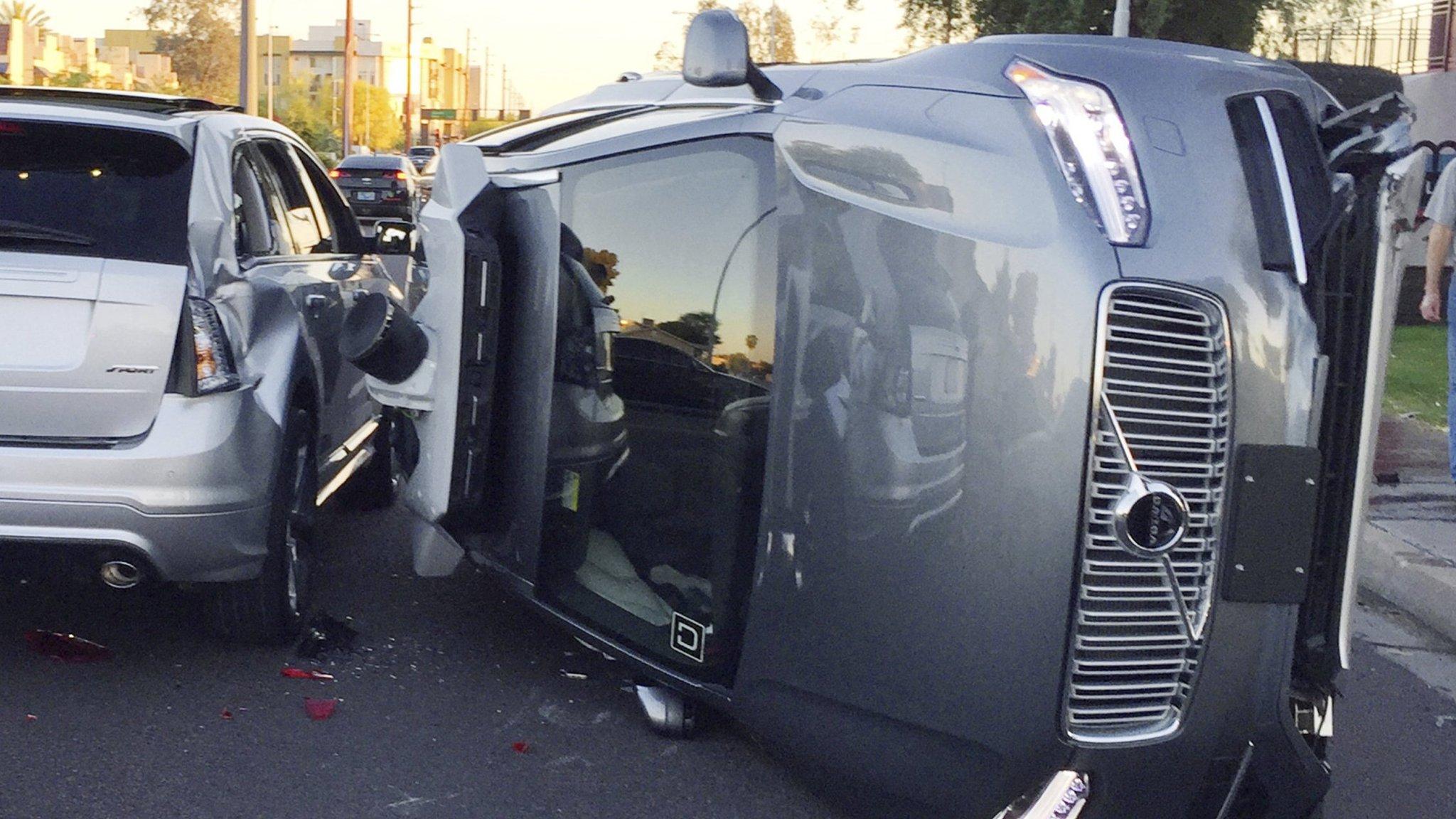
Where Must A Car Accident Lawsuit Be Filed?

I live in Knoxville and I was in a car wreck in Nashville.  The driver of the other car lives in Murfreesboro.  If my case doesn't get settled can I file a lawsuit in Knoxville? 

No.  Under a new Tennessee law that was effective for all lawsuits arising from injuries arising on or after October 1, 2011, this type of case must be filed where the wreck occurred or where the individual defendant resides.  

Therefore, if you must file a lawsuit, you will have to file it in Nashville or in Rutherford County. 

An experienced automobile accident attorney can tell you which place you should file suit if it becomes necessary. 

Jury Trials in Nashville, Tennessee in 2011

The Clerk of the Circuit Courts for Davidson County, Tennessee has released the following statistics for jury trials for 2011:

  • There were 10 health care liability (medical malpractice) jury trials.  The health care providers won six of those cases, the patient won two, and the other two cases resulted in a hung jury.
  • There were 36 auto liability cases tried, 22 of those to a jury.  The plaintiff won 25 of those cases.  Note, however, that the word "won" means that the plaintiff recovered some amount of money - not that the amount beat the defendant's last offer or was otherwise a reasonable amount.
  • There were only two jury trials in December, 2011 one of which was a health care liability case (defense verdict) and one of which was an auto case (case dismissed by judge).

Despite what one reads in the papers or hears on the news, there are relatively few jury trials.  This number has steadily decreased across the entire state for many years.

14 Things to Do After A Car Accident

Here is a list of 14 things you can do after a car accident:

1. Do your best to remain calm.

2. Assess the scene. Do not get out of your car if it is not safe to do so.

3. Check for injuries, both of yourself and others, rendering aid to others where necessary and appropriate.   

4. Call the police. Tell them where you are, what happened and if there are injuries. 

5. Do not discuss what occurred without anyone but the investigating police officer.

6. If you are able, exchange information with the other drivers. Get the name, address, insurer's name and policy number for all of the drivers involved.

7. Get names and phone numbers of witnesses.

8. Take photos/video of the scene including the damage to all cars. Cell phone photos will work to document initial damage.

9.. If the police respond, find out where to get a copy of the police report for your claim. If the police do not come to the scene, ask police dispatch where you can file an incident report.

10.  Tell the police officer the truth.  Do not give opinions about what you think happened, tell the officer only what you observed and heard.  Be polite and cooperative with the officer.

11.  Promptly seek medical attention.  Tell the health care providers the truth.   Carefully explain your symptoms. Do not magnify or ignore any problem you are having.

12.  If you are told by the emergency room to follow-up with your family doctor, do so.  Do not delay in seeking additional medical treatment in the hope that you will be alright.  

13.  Carefully explain to your subsequent health care provider the medical problems you are having as a result of the injuries.  Once again, do not magnify or ignore any injury.

14.  If the accident was not your fault and you were injured, contact an experienced personal injury lawyer to learn your rights.  At the Law Offices of John Day, P.C., we recommend that you do this promptly, before giving a statement to any insurance company.  At our firm, initial consultations are free.

How Can I Prove What Happened in My Wife's Accident?

My wife was killed in an automobile wreck.  She was alone in the car.  The other driver says the wreck was her fault, but I don't believe it.  How can I prove what happened?

You need the help of an experienced automobile wreck attorney to lead an investigation into what happened.

Tennessee law provides that, because your wife is not able to testify about what happened, she is presumed to have been exercising due care at the time of the wreck.  However, other testimony and evidence can make that presumption disappear. 

An experienced car accident lawyer knows how to investigate car wrecks and, as appropriate, work with others to determine how the wreck occurred.  The police report may contain the names of witnesses to the wreck - these people need to be located and interviewed.  People who live and work in the area may have observed the wreck but not have their names appear on the report.  Physical evidence, such as skid marks, yaw marks, and gouge marks may be present on the roadway.  The damage to the vehicles often yields information about how the wreck occurred, and many newer vehicles contain data recorders that can provide helpful information.

The key is to gather that data early.  Physical evidence can disappear, and memories fade.  You are encouraged to act quickly to secure the services of an experienced automobile wreck lawyer.

Parent's Right to Damages For Injury to Child in Automobile Crash

My son was seriously injured in a auto accident.  What rights do I have as his parent  in a lawsuit against the person who caused the wreck? 

You have the right to recover medical expenses that you paid or were paid by your insurance company.  (You almost certainly have to repay your health insurance company out of the settlement or judgment.)  You can also recover damages for loss of services of your child.

Under Tennessee law, you cannot recover damages loss of the relationship between you and your child because of the injuries or for your emotional distress at seeing your child deal with his injuries.  

However, you may be able to recover damages for emotional distress if you saw or heard the wreck your son or came up on the scene of the event shortly after the dog attack occurred.    An experienced personal injury lawyer can tell you whether you qualify for recovery of this type of damages - they are dependent of the details of your case and your emotional injuries, if any. 

Why Is My Medical History Important in a Tennessee Personal Injury Claim?

I am in a lawsuit over a car accident that wasn't my fault.  The insurance company wants to see my old medical records.  What does my past medical treatment have to do with my  car wreck case involving a broken hip? 

Answer: Your medical history is important in any case in which you are claiming to have suffered a physical or psychological injury as a result of someone else’s negligent or intentional act. Your medical history establishes the baseline of your physical or psychological well being before the injury. You can only recover in the lawsuit for the injury caused by the act or omission of the responsible person. You may not recover damages for physical and mental suffering or medical care necessitated by preexisting conditions. When a preexisting condition is made worse you can recover damages for the worsening of the condition. Your medical history will be important to proving this claim. 

In your particular case, the insurance company will be looking to see if you had a prior hip problem or other medical problem that affected your overall well-being or your able to work or enjoy recreational activities.  

The mere fact you were in a wreck doesn't mean that the insurance company has an automatic right to look at all of your medical records since the date you were born.  An experienced Tennessee car accident lawyer can often limit the scope of the record review by the at-fault driver's insurance company.

Continue Reading...

What is Uninsured Motorist Insurance Coverage?

What is uninsured motorist coverage?


If the driver that causes a Tennessee car accident  or truck accident does not have liability  insurance, your own automobile insurance coverage may also apply in provide a source for monetary recovery to pay your medical bills and compensate you for your injuries. This type of insurance coverage is called uninsured motorist coverage - it provides you protection when you are hurt by an uninsured driver. Subject to certain limitations, you may recover damages under your own uninsured motorist policy if the other driver is proven to be uninsured.

Uninsured motorist coverage must be offered to each person who buys liability insurance in Tennessee.  Thus, if you purchased liability insurance on your vehicle,  you have uninsured motorist coverage unless you waived your right to have it in writing. 

An experienced Tennessee car accident attorney or Tennessee truck accident attorney can examine your insurance policy and tell you whether you have this insurance coverage, the amount of the coverage, and whether any limitations in the law or the insurance policy limit your rights.  If you do not appear to have uninsured motorist coverage this attorney can also help you determine whether you waived your right to purchase the coverage in the manner required by Tennessee law.


Continue Reading...

Rights of Saleswoman in Car Accident During Work

I  am a saleswoman for a office products company.  I was driving from one customer's place of business to see another customer when  I was in car wreck.    The other driver ran into me at 45 miles per hour as I was stopped in traffic.  My car was totaled and I spent three days in the hospital.  What are my rights?

You have two potential claims.  First, you have a worker's compensation claim because you were injured in the course of employment (assuming your employer has five or more employees).  Under Tennessee worker's compensation law, you have a right to have your medical bills paid and to receive a portion of your wages paid while you are unable to work.  If you have a permanent impairment as a result of your injuries you are entitled to a payment for the extent of disability caused by that impairment.

Second, you have a claim against the driver of the other car.  This is called a "tort" claim.

Since your injuries were serious enough to require hospitalization, you almost certainly could benefit from the assistance of an experienced personal injury lawyer.    This lawyer will be able to help you receive the benefits you are entitled to receive under the worker's compensation law and under tort law.

To preserve your worker's compensation claim rights be sure that your employer has notice that you were in the car wreck.  It is best to give notice in writing.   If the tort claim is not settled, a lawsuit must be filed within one year of the date of the wreck or your rights with be lost.  The time period for filing a worker's compensation claim is dependent on your medical treatment - an experienced Tennessee worker's compensation  lawyer can advise you of when you must act to protect your rights after he or she has been advised of your treatment course. 

You need to know that your employer's worker's compensation insurer will have a right to recover the money it pays in worker's compensation benefits from any monies you receive in your auto accident case.  Once again, an experienced Tennessee auto accident lawyer can explain this to you.


Continue Reading...

What You Should Do (And Not Do) After a Car Accident

Here is a list of things you should do (or should not do) after a automobile or truck accident:

1)  You should call the police.  Ignore any request by the other driver to "let the insurance companies handle it" or "keep the police out of it - I can't afford a ticket."

2)  Tell the police officer(s) the truth about what occurred.  Do not guess or try to fill in facts.

3)  Be careful what you say to the other driver.  Be polite, but not chatty.

4)  If you have a camera in your car, photograph the accident scene and damage to both vehicles (or as soon as practically possible).  Include photos of any skidmarks, yaw marks, gouge marks, etc.  

5)  If you believe your are injured, obtain medical treatment as soon as possible.

6)  Contact your insurance company immediately to report the accident.

7)  DO NOT talk with anyone who calls you from the other driver's insurance company.

8)  Do not panic if the police report is inaccurate as to how the accident occurred.  The police report is not admissible in evidence in Tennessee.  However, if the police report is inaccurate, it is important that you talk with a lawyer quickly. 

9)  Employ an attorney promptly if you received any injuries in the accident.

10) Keep a list of the doctors and other health care providers you have seen.

11)  Do not write about your accident or medical treatment on Facebook, Twitter, or any other social media.


+++++++++++++++++++++++++++++++++++++++++++++++++

John Day represents personal injury victims and families of wrongful death victims.  He is board-certified as a civil trial specialist by the National Board of Trial Advocacy and, in fact, served as President of the organization. He is an elected member of the prestigious American College of Trial Lawyers.  His book, "Day on Torts:   Leading Cases in Tennessee Tort Law," is used by judges and lawyers across Tennessee to further their understanding of personal injury and wrongful death law in Tennessee.  In 2009, Best Lawyers named John "Best Personal Injury Lawyer" for Nashville; he was the first recipient of that award. Best Lawyers also  named John as "Best Medical Malpractice Lawyer in Nashville" for 2010.   John does not charge for an initial consultation and accepts personal injury and wrongful death cases on a contingent  fee basis.  You can reach him by telephone at 615.742.4880 or by email by clicking here.


Continue Reading...

Can I Bring A Wrongful Death Lawsuit on Behalf of My Deceased Brother?

 My 22 year-old brother died in a car accident in Clarksville, Tennessee after being hit by a drunk driver.  Do I have a right to sue for his death?

 
Here is the answer under Tennessee wrongful death law:
 
If your brother was married his wife would have the primary right to bring suit for her husband's wrongful death.
 
If your brother was not married but had one or more children, the child or children would have the primary right to bring suit.  Obviously, any child would be a minor and an adult would have to bring suit on behalf of the child or children.  That adult could be you, with court permission.
 
If your brother left no wife and no children, your parents (or either of them) would have the right to file suit.
 
If your brother left no spouse, no children, and was pre-deceased by his parents, his siblings (including you) would have the right to file a lawsuit.
 
Finally, even if your brother had a spouse, one or more children, and his parents were still alive you might be able to file suit if you were named the executor of his estate in his wife.
 
An experienced Tennessee wrongful death lawyer can help guide you through this process.

The Lawyer I Talked To Has No Support Staff!

I interviewed a personal injury lawyer about my truck wreck case the other day.  I met with him in his office and it looked like he worked all alone - no secretary, no paralegal, no other lawyers.  Is that something I should be concerned about? 


Concerned?  I don't know that I would go that far.  I do think that the absence of a support staff is a factor that you should consider in determining who you want to be your lawyer.

Lawsuits of any size are a team effort, and each person in the office plays an important role in helping preparing the case and maximizing the recovery for the client. Thus, I believe you should look at the other lawyers and staff in the office and determine whether they can work as a team to help you with your case.

For instance, in our larger cases we almost always have two or more lawyers working on every case. Why? Assigning two or more lawyers to every case means that if one lawyer is busy in trial or is out-of-state taking depositions in other cases work can still be done on your case.

We also employ others to help the lawyers pursue personal injury and wrongful death cases.  We have a paralegal assigned to each case.  We have a full-time medical records coordinates who orders and organizes medical records and billing.  We have a full-time nurse to help with medical issues.  And, we have an in-house accountant to help us manage the financial aspects of the case.

In conclusion, I believe that you should hire a law firm that has what a football coach would call “depth.”   While it is possible for one person to do all of the things that our team does for any given client, we believe that employing high-quality personnel improves the service our clients have a right to expect.


Will My Insurance Company Help Me Settle My Car Wreck Case?

I was involved in a car accident in Murfreesboro, Tennessee.  It was not my fault.  Will my insurance company help me settle my personal injury claim against the at-fault driver? 

No.  In fact, you may actually find yourself in an adversary position with your insurance company.

How can that happen?  If the driver that caused the wreck does not have sufficient liability insurance to pay you what you deserve for your personal injury claim, you may have to make a claim for uninsured or under-insured motorist insurance benefits.  

In Tennessee, the at-fault driver's  insurance company has no obligation to tell you how much insurance coverage is in pl ace.  Thus, it is very difficult to determine whether, at the end of the day, whether you will have to make a claim against your own insurance company.  If you must do so, your insurance company has a financial interest in the outcome of your case and thus will try to reduce the amount of money it has to pay to resolve your case.


Will My Davidson County, Tennessee Car Accident Case Be Settled or Tried?

I was involved in a car wreck in Davidson County, Tennessee.  I am thinking about filing a lawsuit, but really don't want to go to trial.  Will my case be settled or tried?

Well, if you have a valid case, you have a great deal of whether the case is settled or tried.  Insurance companies usually make an offer of some amount in every case with merit.   The issue is whether you will be offered a fair amount given your injuries and losses.  You can always accept less than a fair amount, but sometimes you have to go to trial before you can get the justice you deserve.

It is true that less than 10% of all personal injury and wrongful death cases in which a jury trial is sought result in an actual trial - in Davidson County or elsewhere in Tennessee.  But it is difficult to say whether any particular will or should be tried.

An experienced car accident lawyer can guide you through the litigation process.  Our firm offers free consultation in all types of personal injury and wrongful death cases and, in the event we accept representation of you,  we will represent you on a no recovery, no fee basis.


What's Wrong With Texting and Driving?

I don't see the big deal about texting and driving.  I do it all the time and have not been in a car wreck.

Then you have been lucky.  Not only is texting while driving illegal, but it greatly increases your risk of being involved in a car crash.

Studies report that reports that distracted driving is the No. 1 killer of American teens. Sixteen percent of all drivers younger than 20 involved in fatal crashes were reported to have been distracted while driving.

The Virginia Tech Transportation Institute reports that a texting driver is 23 times more likely to get into a crash than a non-texting driver. Additionally, 82 percent of young adult drivers (16-24) have admitted to reading a standard text message while driving, according to a national survey conducted by the Ad Council.

So, do not assume that your luck will continue.  


Car Hits Horse. Is There A Lawsuit?

I was driving on a country road late a night.  I came around a sharp curve at a reasonable speed and there was a black horse standing in the middle of the road.  I swerved to miss it, but hit it and then hit a rock wall on the side of the road.  My car was totaled and I was injured.  The man that owned the horse lived on the adjoining property.  Can I sue him for my injuries?  That horse should not have been on the road.

 You can sue him, but you will have to prove that he was negligent in controlling the horse.  Under the law  of Tennessee the horse must be fenced in but if there was a fence the landowner will claim that the fence was adequate and you have to prove the landowner was negligent.   

It will be important to hire an experienced personal injury lawyer as soon as possible to investigate this matter.  It will be important to document the condition of  any fence and to learn how the horse was able to escape.  It will also be important to learn with the horse or other farm animals roamed off the property in the past. 

+++++++++++++++++++++++++++++++++++++++++

Continue Reading...

What Happens If There Are Multiple Victims and Limited Insurance Coverage?

I was in a a bad car accident involving a car and a truck.  Two people were hurt, and one person was killed.  The total liability insurance available is a single limit policy of  $300,000  and the at-fault driver does not have any assets.  The insurance company has offered the group of us $300,000. How will the money be divided?

Hopefully, the money will be divided by agreement without the need for litigation.  Those negotiating the case should be driven by what would happen if no agreement was reached.  In other words, people should negotiate with the idea of how a court would divide the money if there was a trial.

A court would divide the $300,000 on a pro rata basis depending on the value of the claim.   So, if all three claims had a total value of $3,000,000, each claimant would receive 10 cents on the dollar of his or her claim.  For example, if one claim was worth $500,000, that claimant would only receive $50,000  of the total monies available.

So, you can see why I said that the parties must negotiate with this in mind.  At the end of the day, no one will receive a just amount under these circumstances.  But the amount of injustice suffered by each party will be equal, that is, each party will get the same percentage reduction.

So, the controversy in settling these cases is determining the value of each case (which is frequently true) compounded by the knowledge that every party will receive an unjust amount.

I hasten to add that the situation gets more complicated if the insurance policy is a split limit policy such as a $50,000 / $100,000 policy.

My work as a car accident attorney and truck accident lawyer has lead to my involvement in many cases where multiple claimants were seeking recoveries from limited funds.  We offer free consultation in all personal injury and wrongful death cases.


A Lawyer Wrote in His Blog About My Car Accident!

I was in a car accident on Interstate 24 near Murfreesboro a few weeks ago.  I was in the hospital for a few days and when I got home I had to miss several weeks of work.  I was playing around on the Internet to see if there was anything on there about my wreck (traffic was messed up for two hours) and I discovered a lawyer had written about my wreck.  My name wasn't used but all of the other details were there.  Why is he doing that?

This lawyer is doing two things.  First, he is hoping that you will Google your accident, find his post, and then hire him to help you (or the other driver) with all any potential lawsuit.

Second, this attorney  is trying to put something on his blog to keep it current in the hope that it will rank higher in search engines like Google.  Google likes new content.  So, rather than write something substantive that actually will do readers some good, these lawyers write about accidents.  In fact, some of these posts are not written by the lawyer at all.  Some lawyers hire ghost-writers to write blog posts to create "content" and make Google think that their blog has some substance.

If this wreck was not your fault and you need a lawyer to help you should you hire such a lawyer?   I would suggest that  the factors you should consider are set forth our Legal Guide titled "Understanding How to Hire A Lawyer in a Personal Injury or Wrongful Death Case."

After you review the factors outlined in our Legal Guide, I think you will agree with me that a blog post about your wreck is certainly not a factor in your decision of who to hire as your lawyer.

+++++++++++++++++++++++++++++++++++++++++++++++++++

Continue Reading...

I Was Hit By a Mail Truck! Can I File A Lawsuit?

 I was in an automobile wreck with a truck driven by a mail truck.  The wreck happened on the interstate in Robertson County, Tennessee.   Can I sue the driver and the Post Office for my injuries?

You can sue the Post Office, but there is a special process that must be followed.  The Post Office can only be sued in federal court after the failure of a special claims process.  

The law that gives you the right to sue the Post Office is the Federal Tort Claims Act.  The claim must be filed within two years of the date of the accident.  A special claim form must be used to file the case with Post Office.  If Post Office rejects the claim or does not act on it within six months you will have to file suit in federal court.

However, I hasten to add that just because the truck signage led you to believe that it was a Post Office truck that hit you it may well be that the truck was operated by a private company.  The Post Office hires private trucking companies to carry mail between cities.  If so, different rules apply.  For instance, because the wreck occurred in Tennessee if a private trucking company is involved suit must be filed within one year of the date of the wreck. 

It is suggested that you seek the advice of an experienced lawyer to guide you through this process.

Best Personal Injury Attorney For My Car Wreck Case

I was hurt in a car wreck and I need a personal injury lawyer.  How do I figure out which lawyer to hire?


If you look around it seems like there are thousands of lawyers who say that they handle personal injury and wrongful death cases. In Tennessee and many other states, any lawyer can say that they do personal injury and wrongful death litigation, and it is left to the consumer to figure out what to look for in determining which lawyer to hire for your case.

We have created a Legal Guide that will help you conduct the right research and ask the right questions so that you can hire the best lawyer for your case.

When you look at this Legal Guide, you will probably be a little intimidated.  It is rather long, and it suggests that you look at lots of different factors in determining who to hire as your lawyer.

We believe the extra effort is worth it.  Hiring a lawyer is an important decision.  The right lawyer can help your case, and the wrong lawyer can hurt your case.

You need to know what lawyers know:  Only a relatively small percentage of lawyers routinely handle personal injury cases, and a much smaller number of lawyers have the ability and experience to handle a serious case.  This Legal Guide will help you identify the factors that lawyers use to when they want to hire a personal injury or wrongful death attorney.

++++++++++++++++++++++++++++++++++++++


Continue Reading...

Car Accident - Other Driver Smoking Pot

My car was broadsided when another driver ran a red light.  He reeked of pot, and the cops gave him a ticket for operating under the influence.  I thought you could only get a ticket for operating a vehicle under the influence of alcohol? 

Marijuana affects one's ability to operate a vehicle.  Recently published research indicates that the when one is using pot that overall odds of a crash are 2.66 times higher than for those who were not using it.

Tennessee Code Annotated Section 55-10-401(a)(1) provides that

It is unlawful for any person to drive or to be in physical control of any automobile or other motor driven vehicle on any of the public roads and highways of the state, or on any streets or alleys, or while on the premises of any shopping center, trailer park or any apartment house complex, or any other premises that is generally frequented by the public at large, while under the influence of any intoxicant, marijuana, controlled substance, drug, substance affecting the central nervous system or combination thereof that impairs the driver's ability to safely operate a motor vehicle by depriving the driver of the clearness of mind and control of himself which he would otherwise posses.

Thus, those who choose to use pot and drive can be charged with operating under the influence just like an alcohol user.

Car Accident - Why No Ticket?

I was in a car accident in Clarksville, Tennessee.  The guy that hit me ran a red light but the police officer did not give him a ticket.  Three people told the officer that the guy ran the light!  What's going on? 

Probably nothing is going on other than the officer giving the driver a break.  It is not uncommon for police officers not to give tickets in this type of situation.

The failure of the officer to give a ticket will not affect your rights to bring a claim against the driver.   In fact,  if he received a ticket and paid it you would not be able to introduce that fact as evidence at a personal injury trial.

++++++++++++++++++++++++++++++++++++++++++++

Continue Reading...

Can I Sue the Bar that Served the Drunk Driver?

I was hit by a drunk driver and was seriously hurt.  The police officer told me the guy tested .20 - over twice the legal limit.  I found out that the guy spent all afternoon in a local bar and was on his way to another bar when he hit me.  Can I sue the bar where he got drunk? 

Perhaps.  Tennessee law permits you to sue a bar that over-served a drunk driver if you can prove beyond a reasonable doubt that they served alcoholic beverages to a visibly  intoxicated person.

If your information is correct and the drunk was only served at one bar, you must then be able to demonstrate that he was visibly intoxicated and therefore the bar should have stopped serving him.  You also must be able to demonstrate that the driver's drunken condition contributed to cause the wreck.

An experienced personal injury lawyer can help you investigate this matter and determine whether a claim can be successfully asserted.

Continue Reading...

Injured By A Taxi In Nashville

I was driving in Nashville and was broad-sided by a taxi that ran a red light. I was hospitalized for four days and am not yet back to work.   What are my rights?

You have a personal injury claim.  Our office has published this Legal Guide to answer your questions on the law of automobile accidents in Tennessee.  This Legal Guide will help you understand the damages you may be entitled to receive.

The problem you will face is that many taxis are owned by the individual driver and have very limited insurance coverage.  If that is true in your case, you will have to rely on uninsured / underinsured motorist coverage to recover damages.


Does Tennessee Have Limits On Damages In Car Accident Cases?

Does Tennessee have limits on the amount of damages a jury can award in a car wreck case?

Only for car wrecks that occur on or after October 1, 2011.  For Tennessee car wrecks that occur before that date, there is no arbitrary limit on damages that can be awarded.

For Tennessee car accidents that occur on or after October 1, 2011, damages for pain, suffering, disfigurement, loss of enjoyment of life and loss of consortium are limited to $750,000 in almost every type of case.  In certain types of cases involving catastrophic damages,  the damage cap is increased to $1,000,000.  There is no cap on damages if the person who caused the wreck was under the influence of drugs or alcohol.

An experienced personal injury attorney can tell you if your case falls within the "catastrophic" category.

What Deadline Applies in Tennessee To Filing Lawsuits For Injuries to Children?

My son (age 8) was hurt in a car wreck.  How much time to I have to bring a lawsuit against the driver responsible for the wreck?

Under the law in Tennessee, there are time limits on which any person can bring a lawsuit against another. The general rule is that a child has until one year after his or her eighteenth birthday to bring a lawsuit to recover for a personal injury. Some people argue, however, that a parent’s claim for medical expenses incurred on behalf of the child must be filed by the parent within one year of the incident causing the injury, and thus it makes sense to consult with a lawyer promptly about any injury to your child that you believe was caused by someone else’s negligence.

Please note that different rules apply if a child was injured as a result of medical malpractice.  Medical malpractice claims are subject to a statute of repose. A statute of repose imposes an absolute time limit for bringing a claim regardless of the age of the injured person. The statute of repose for bringing a medical malpractice claim is three years. This means that a medical malpractice claim must be initiated within three years of the date of the malpractice regardless of the age of the injured person. Therefore, for example, a medical malpractice claim for a child injured during birth must be initiated within three years of the date of the birth of the child.

There are certain other types of lawsuits where a minor must take legal action well before his or her 19th birthday.

Determining the deadline for filing suit in a particular case is very complicated. The consequence of a late filing – even by one day – is the loss of your legal rights. Therefore, the safest course of action is to contact an attorney as soon as possible if you believe you may have a claim. Most lawyers, including this writer (John Day),  do not charge for this type of consultation.

Call From Lawyer Soliciting Case

I was in a car wreck last month.  I was hurt pretty bad.  I got home from the hospital last night and a lawyer called me and said that he wanted to represent me in my case.  I have no idea who this man is or how he got my name and telephone number.  Nobody in my family has ever heard of him and I asked the lawyer who did my divorce case about him and she said she never heard of him.  Can he call me like this?  Should I hire him?  He said he could get me a lot of money.

This lawyer is a scumbag - not only should you not hire him but you should report him to the Tennessee Board of Professional Responsibility.  Rule 7.3(a) of the Rules of Professional Conduct says this about soliciting a potential client by telephone:  "(a) If a significant motive for the solicitation is the lawyer’s pecuniary gain, a lawyer shall not solicit professional employment by in-person, live telephone, or real-time electronic contact from a prospective client who has not initiated the contact with the lawyer and with whom the lawyer has no family or prior professional relationship."  The Comment to the rule explains why is exists:

[1] There is a potential for abuse inherent in direct in-person or live telephone contact by a lawyer with a prospective client known to need legal services. These forms of contact between a lawyer and a specifically targeted recipient subject the layperson to the rivate importuning of the trained advocate in a direct interpersonal encounter. The prospective client, who may already feel overwhelmed by the circumstances giving rise to the need for legal services, may find it difficult fully to evaluate all available alternatives with reasoned judgment and appropriate self-interest in the face of the lawyer’s presence and insistence upon being retained immediately. The situation is fraught with the possibility of undue influence, intimidation, and overreaching.

A lawyer who engages in this conduct is subject to various types of discipline and, in fact, risks loss of his or her license to practice law.

So, why should you care?  I mean, you just need a lawyer, and if the lawyer has undertaken the initiative to seek you out, didn't that just make your job easier?

Here is why you should care.  Every law student is taught that this lawyer cannot do what he did. The prohibition is reinforced in legal seminars for practicing lawyers.  So, you have to ask yourself these questions:  If a lawyer is willing to violate the rules of the profession to get my case, why should I believe that he will follow other rules that are designed to protect my interests?  Why should I believe that he will honestly communicate with me?   Why should I assume that a cheater will only cheat once?   Why should I take the risk that he might cheat me?  Why should I take the risk that he might try to cheat my opponent, get caught and hurt my case?

So, don't hire a lawyer who calls you out of nowhere trying to solicit your case.  Instead, read our legal guide "Understanding How to Hire a Lawyer in Personal Injury and Wrongful Death Cases" to learn about the factors you should consider in determining what lawyer to hire for your case. 

How Much Time Do I Have To File A Lawsuit After The Death of My Wife In A Car Wreck?

My wife was hurt in a car wreck in Middle Tennessee on June 21, 2011 and died in the hospital two days later.  What is my deadline for filing a lawsuit against the driver who caused the wreck?

Unless a lawyer familiar with all of the facts advises you to the contrary,  you should assume that you must file suit a lawsuit against the responsible parties before the one-year anniversary of the wreck.  

In some states the date of death triggers the start of the time period to take legal action. That is usually not so in Tennessee.   Thus, to be safe work under the assumption that the one-year period starts to run from the date of the original injury that later resulted in death.

Of course, you should not wait that long to contact a lawyer.  Valuable evidence can be lost as time passes, and delay increases the possibility that all at-fault parties will not be timely identified and located.

How Many Jurors Must Agree in a Bicycle Accident Case?

 I am involved in a bicycle accident  case in Tennessee state court .  How many jurors must agree to a given result?

Unless the parties to the lawsuit agree otherwise, twelve jurors will decide the case and all twelve must find in favor of the plaintiff (the person bringing the lawsuit) or the defendant (the person or entity that has been sued.)  If less than twelve people agree on the outcome, the judge will declare a mistrial and the case will have to be tried again. 

Live in Indiana, Hurt in Car Accident in Nashville, Tennessee and Need Lawyer

 I live in Indiana but was injured in a car accident on Interstate 65 right outside of Nashville.  Do I need a Tennessee lawyer?

You will almost certainly need a Tennessee lawyer.  An Indiana lawyer will probably not be familiar with Tennessee law and will not be able to file a lawsuit here.  Quite candidly, an experienced personal injury lawyer from Indiana would probably be able to negotiate some sort of settlement for you, but once again may be hampered by a lack of knowledge of Tennessee law and procedure that could impact the value received at settlement.

If your hire an Indiana lawyer he or she will probably ask the assistance of a Tennessee lawyer to help him or her with the case.  I have helped lawyers from dozens of states in this situation, and it works quite well if the out-of-state lawyer calls us early enough to protect your rights.   Tennessee law requires that such cases be filed within one year of the date of accident and, unfortunately, several times a year I get a call from an out-of-state lawyer who missed the one year deadline.

So, you can hire a lawyer back home or you can hire a Tennessee lawyer from the outset.  We recommend that you read our Legal Guide "Understanding How to Hire a Lawyer in Personal Injury and Wrongful Death Cases" before you hire a lawyer in either state.  

I Want A Settlement In My Personal Injury Case

 I was in a car wreck about 3 months ago.  The other driver admitted fault.  My medical bills are about $25,000.   I have been released by my doctor.  My lost wages are $5000.   How quickly will my case settle?

At the outset you need to understand that your case may not settle at all.  In Tennessee the insurance company does not have a duty to settle your case and in fact does not even owe you a duty to fairly evaluate your case.    It can settle a case, or not settle a case, on whatever schedule it wants to put in place.

However,  if the insurance company wants to settle the case it needs to have information from your lawyer.  At an absolute minimum, the company needs the accident report, your medical records and bills, perhaps some of your previous medical records, proof of lost wages from your employer, and an understanding of how the injuries have impacted your life.  To the extent you claim a permanent injury, future medical expenses, future loss of earning capacity, or other damages, the insurance company will need proof of that.

Lawyers communicate this information by way of a settlement demand.   All of the relevant information is gathered and the important information is highlighted in a letter.  In our office we attempt to gather all of this information before your are released from your doctor (except the final office note) and have a demand package ready to go to the insurance company within thirty days of when medical treatment is complete.  Lack of cooperation from one of the providers of information will affect our ability to get the demand package out on time.

Insurance companies always ask for more time to evaluate the demand package.  Then, the negotiations start and those can last several weeks even if everyone agrees that the case should be settled.

So, the short answer to your question is there are too many variables to say if your case will be settled and how quickly it will be settled.   It is fair to say that a case cannot settle if your attorney does not promptly gather and exchange information with the insurance company.  This is yet another reason to hire an experienced personal injury lawyer who will aggressively pursue your rights.

The Guy That Hit Me Had No Liability Insurance!

I was hit by a drunk driver - he ran a red light and broad-sided me.  He told the cop that he was drinking at home all day, got in an argument with his wife, left the house, and then had the wreck with me. I spent seven days in the hospital and have missed four weeks of work so far.  I still don't know when I can go back to work.  I just found out that the drunk did not have any liability insurance on his car.  Now what?

You will have to rely on your uninsured motorist insurance coverage.  Look at the declarations page of your insurance policy and see what amount of coverage you have.  It is designed to protect you in this situation.

If you have uninsured motorist coverage (and Tennessee law requires your insurance company to sell it to you unless you right it in writing) you will have to collect your damages from your own insurance company.  Your company cannot raise your rates because of an uninsured motorist claim.  

You also can sue the drunk.  Just because someone does not have insurance does not mean that they escape responsibility for their actions.  The problem, of course, is collecting whatever damages you recover.  

This is the type of case where you would benefit from the guidance of an experienced personal injury lawyer.   We will be happy to meet and discuss your case with you.  We do not charge a consultation fee and accept personal injury cases on a contingent fee basis.

Understand What Types of Insurance Apply in Car Wreck Cases

 What types of insurance may apply in a car accident case?

Several different types of insurance coverage apply in a car accident case. First, the at-fault driver’s automobile insurance may apply to cover the damages you sustain in a wreck. In Tennessee, all drivers are required to carry a minimum amount of automobile insurance, specifically $25,000 per person with a cap of $50,000 for each wreck. If two people are injured in a wreck, and the at-fault driver has minimum insurance policy limits, generally speaking the most the insurance company could ever have to pay is $25,000 to each person. If three people are injured in a wreck and the person at fault has minimum limits, the insurance company generally will not have to pay more than $50,000 to all three people combined, and each person cannot recover any more than $25,000. Of course, many drivers break the law and do not carry the required minimum car insurance limits. 

In the driver that causes the accident does not have insurance, your own automobile insurance coverage may also apply in a car accident case. This type of insurance coverage is called uninsured motorist coverage. Subject to certain limitations, you may recover under that portion of your own policy if the other driver is proven to be uninsured.

Similarly, if the other driver has insufficient coverage to pay for your damages and your insurance coverage exceeds the amount of the at-fault driver’s insurance coverage, then you may recover the difference between the at-fault driver’s coverage and your own coverage under your underinsured motorist coverage with your automobile insurance carrier. For example, if the at-fault driver has minimum limits of $25,000 per person and you have limits of $100,000 per person, you may recover an additional $75,000 under your uninsured motorist coverage if your damages are $100,000 or more.  The driver (or the driver’s employer, if they are on the job at the time of the wreck) may be required to personally pay in addition to the available insurance coverage. However, recovering more than the available insurance limits is often unrealistic.

You may also have coverage under your policy for medical care – often called medical payments coverage. This coverage is usually limited, with most people having $5,000 or $10,000 worth of coverage. The amount of your medical payments coverage depends on your contract with your automobile insurance company. You will most likely be required by your automobile insurance contract to pay your insurer back for any payments made on your behalf if you recover damages from the at-fault driver. This is called subrogation.

You can see that it is very likely that your own insurance company may not be on your side in a wreck in which at the at-fault driver did not have insurance coverage or did not have enough insurance coverage to pay you for your damages and losses. While you have a duty to cooperate with your own insurance company, it makes sense to talk to a lawyer before you give a statement to any insurance company, even your own. At the Law Offices of John Day P.C., we will be happy to advise you on how to give an accurate statement to the insurance company representative.

Car Wrecks and Facebook

I was in a car wreck and spent four days in the hospital because of the injuries I received.  I also will need several months of physical therapy.  When I got out of the hospital I updated my status on my Facebook page.  A friend of mine e-mailed me and said I should be careful about what I post on Facebook about the car accident and my recovery.   Is she right? 

Yes, but not just because you had a car accident.  What you say on social media is there to stay.  Forever.  People who read it will make certain judgments about you based on what you said on Facebook, Twitter, or other social media outlets.  Thus, one should always use good judgment when utilizing social media.

This is also true after you have been in an accident of any type.  Your adversary will read your social media page.  Your adversary will look at your photographs and videos.  Your adversary will be looking for inconsistent statements or other documentation that indicates that your injuries are different than you claim or affect you differently than you maintain in a lawsuit.  The inconsistency may be minor, but your adversary will try to make it look like a lie.

Therefore, our firm suggests that our clients be very careful about what they write or otherwise post on social media.  Indeed, in a perfect world, we would like you not to publish anything.  At a minimum, use very good judgment about what you publish.  If you are unsure how to handle this, an experienced personal injury attorney can guide you through the specifics of your situation.

What Is The Deadline for Filing an Automobile Wreck Case in Tennessee?

I was hurt in a car wreck in Tennessee.  The other driver was also from Tennessee.  How much time do I have to file a lawsuit?

You have one year from the date of the wreck to file a lawsuit.  Failure to file suit within the one year period will result in a loss of your rights.

However, you should not wait this long to hire a lawyer.  A lawyer needs time to investigate the case ad sometimes critical evidence can disappear if the lawyer is not hired early in the case.  Also, it is possible that the lawyer can negotiate a settlement on your behalf, thus eliminating the expense that goes with filing a lawsuit.  Thus, it is recommended that you hire a promptly and not wait until the one year deadline for action approaches.

Use of Police Report As Evidence

The police accident report says that I was not at fault in my wreck and that the other driver was at fault.  Can I used the police report as evidence at a trial to prove the wreck was not my fault?

Not in Tennessee state court.  A rule of evidence specifically excludes police accident reports from the types of public records that can be admitted into evidence at trial to show how an accident occurred.

Why?  Because unless the officer actually saw the accident the police report is only the officer's opinion about what happened.  That opinion may be based on solely on whether the officer believes one person or the other and may have little value in determining what actually happened.  

A police officer who see a wreck can be asked to testify about what he or she saw.  He or she can also be asked about what the people involved in the lawsuit said after the wreck and about measurements taken at the scene of the wreck.   But the police report cannot be introduced into evidence absent extraordinary circumstances, whether the officer is there or not.

This does not mean that a police report has no value.  A police report can go a long way in persuading an insurance adjuster that his or her insured is "at fault" in a wreck.  Conversely, a report that does not fault the insured will greatly hamper one's ability to settle the case with the insurance company for that insured.  

How Can I Find Out How Much Insurance The Other Driver Has?

I was in a car wreck several months ago.  The other driver's insurance company called me and asked me some questions.  I then asked him how much insurance his driver had, but he refused to tell me.  He said that in Tennessee I could not find out how much insurance the other driver had, even if I filed a lawsuit. Is that true?

Yes.  Tennessee is the only state in the nation that does not require an insurance company to disclose the amount of liability insurance in place for an accident.  This is a result of a powerful lobbying effort in the Legislature, led by Tennessee Farmers Mutual Insurance Company.

Sometimes an insurance company will voluntarily disclose the amount of coverage it has.  However, in the ordinary situation, the only way you can discover how much insurance the other driver has is to win a lawsuit and start the process to collect the money you are due.

Let me add one thing.  The amount of insurance does not influence the value of your case. In other words,  the value of your case depends on the nature and extent of your injuries, the amount of your medical bills, and many other factors.  (Read more on the damages recoverable in personal injury cases in Tennessee here.)  The amount of liability insurance is not a factor and in fact the jury is never about the existence, much less the amount, of insurance.  The amount of insurance only determines the likelihood of being able to recover the full amount of the damages you sustained.  If there is an insufficient amount of insurance available, you will be forced to try to collect the excess from the driver and the trucking company.

Why Won't the Police Issue a Ticket to the At-Fault Driver?

My car was hit at a local intersection.  The guy that hit me ran the red light - and admitted that he did so - but he police officer didn't even give him a ticket!  Why not?  I have called the officer four times to ask why but she won't return my call.

Police officers have discretion about when they write a ticket, and sometimes they simply choose not to do so.  I must confess that I don't always understand why tickets are issued in some cases and not in others,but the fact of the matter is that police officers do not issue tickets in many automobile wreck cases when they would have the perfect right to do so.

The fact that no ticket was written will almost certainly not hurt your case, especially if the police report indicates that the other driver admitted fault.   A statement by a police officer in a police report that the other driver admitted fault will carry a lot of weight with his insurance company as it decides whether or not to promptly resolve the claim. 

Statement to Insurance Adjuster for the At-Fault Driver?

 I was in a car wreck last week.  I  spent five days in the hospital and am now recovering at home.  I am getting a couple calls a day from the insurance adjuster for the driver that hit me.  The message he left for me is that he wants to take a statement from me about how the wreck happened.  Should I talk to him and give him a statement?

We do not recommend that our clients give a statement to the other driver's insurance company.  There are several exceptions to this general rule, but even then we do not permit our clients to give a statement without adequate preparation for the interview.

We do not prepare our clients by telling them what to say or encouraging them to lie.  In fact, just the opposite is true:  we encourage our clients to tell the truth about the circumstances giving rise to the wreck, the nature and extent of their injuries, and everything else.   Preparation is necessary because insurance adjusters are trained in asking questions, and may ask questions in such a way that the unprepared witness will make mistakes.   These statements are almost always tape-recorded and can be used against the person in court.

Thus, I recommend that you talk to a lawyer before giving a statement. 

The Person Who Caused the Wreck Died. How Does That Affect My Rights?

I was hurt in a head-on automobile accident.  The driver that crossed the centerline and hit me died in the wreck.   Do I have legal rights against him even if he is dead?

Yes.   Although you can't sue someone who is dead, you can sue his estate.   If an estate is not opened for him, you (through your lawyer) can petition the court to have an estate opened so that you can sue it and collect the monies you are entitled to recover.

The fact that the person who hit you died does not relieve his insurance company of the obligation to defend the case and pay the monies to you that you are entitled to receive under the law (up to the liability insurance policy limits).  To the extent that the value of your case exceeds the amount of insurance available, you will also have a claim against the assets of the deceased driver.

An experienced personal injury lawyer will know how to help you through this process.   Remember that in Tennessee a personal injury claim must be filed against the responsible people within one year of the date of the accident.   Under these circumstances you will need act even more promptly than usual because the lawyer you hire will need to do extra work to get an estate opened for the decedent so that suit can be filed within one year of the date of the accident. 

Lack of Sufficient Liability Insurance. Now What?

 I was in a bad car wreck.   I had $100,000 in medical bills and missed fifteen weeks of work  (I make $1200 per week as a plumber).   I am probably going to have to have another surgery.  My doctor also says I will have arthritis in my left leg for the rest of my life.   I just found out that the person who hit me only has $100,000 of liability insurance.   That is not enough for what she did to me.   Can I force the person who caused the wreck to pay me out of his pocket?

A person or company is always liable for all of the harm they negligently cause.  A person purchases insurance to reduce his or her own risk of coming out of pocket to pay for that harm, but if the harm caused exceeds the amount of insurance purchased  she is liable for the rest.  

The problem, of course, is collecting from a person who causes harm.  To make a payment to the injured person over and above the amount of insurance the person who causes harm must have assets, income, or both.   Many people have very few assets and insufficient income to make a payment to the person who they hurt.   If pressed, these people will often just file bankruptcy and the bankruptcy court will discharge the obligation.   (There are some exceptions to this.  For example, the bankruptcy court will not discharge the lawsuit-related obligation of a drunk driver or a person who intentionally harms another.) 

An experienced personal injury lawyer will help you evaluate the factors you should consider in determining how hard to press the defendant to make a personal contribution over and above the liability insurance policy available for the claim.  This often requires an attempt to get the at-fault driver to disclose his assets and income information.  Smart people do this, knowing that the failure to do so will result in a lawsuit and probably bankruptcy.

Time Period Needed to Settle a Case

I was in a car wreck about 6 months ago.  The other driver admitted fault.  My medical bills are about $35,000.   I have been released by my doctor.  My lost wages are $12,000.   How quickly will my case settle?

At the outset you need to understand that your case may not settle at all.  In Tennessee the insurance company does not have a duty to settle your case and in fact does not even owe you a duty to fairly evaluate your case.    It can settle a case, or not settle a case, on whatever schedule it wants to put in place.

However,  if the insurance company wants to settle the case it needs to have information from your lawyer.  At an absolute minimum, the company needs the accident report, your medical records and bills, perhaps some of your previous medical records, proof of lost wages from your employer, and an understanding of how the injuries have impacted your life.  To the extent you claim a permanent injury, future medical expenses, future loss of earning capacity, or other damages, the insurance company will need proof of that.

Lawyers communicate this information by way of a settlement demand.   All of the relevant information is gathered and the important information is highlighted in a letter.  In our office we attempt to gather all of this information before your are released from your doctor (except the final office note) and have a demand package ready to go to the insurance company within thirty days of when medical treatment is complete.  Lack of cooperation from one of the providers of information will affects the lawyer's  ability to get the demand package out on time.

Insurance companies always ask for more time to evaluate the demand package.  Then, the negotiations start and those can last several weeks even if everyone agrees that the case should be settled.

So, the short answer to your question is there are too many variables to say if your case will be settled and how quickly it will be settled.   It is fair to say that a case cannot settle if your attorney does not promptly gather and exchange information with the insurance company.  This is yet another reason to hire an experienced personal injury lawyer who will aggressively pursue your rights. 

What Happens if the Person Who Hurt Me Has Died?

 I was hurt in a head-on automobile accident caused by a careless pick-up truck driver.  The driver that crossed the centerline and hit me died in the wreck.   Do I have legal rights against him even if he is dead?

Yes.   Although you can't sue someone who is dead, you can sue his estate.   If an estate has not been opened for him, you (through your lawyer) can petition the court to have an estate opened so that you can sue it and collect the monies you are entitled to recover.  Any recovery would come from the liability insurance coverage that the decedent had that was applicable to the wreck and, to the extent that the damages awarded exceeded the insurance coverage, from the assets of the estate.

The fact that the person who hit you died does not relieve his insurance company of the obligation to defend the case and pay the monies to you that you are entitled to receive under the law (up to the liability insurance policy limits). 

An experienced personal injury lawyer will know how to help you through this process.   Remember that in Tennessee a personal injury claim must be filed against the responsible people within one year of the date of the accident.   Under these circumstances you will need act even more promptly than usual because the lawyer you hire will need to do extra work to get an estate opened for the decedent so that suit can be filed within one year of the date of the accident.

Car Wreck Lawsuit Against the State of Tennessee

My husband was hurt in a car wreck when a state employee driving a state vehicle ran a stop sign.  I think I read somewhere that the State of Tennessee and its employees can't be sued.  hat doesn't seem fair.   

The employee cannot be sued if the injury was caused by negligence and the employee was working for the State at the time of the wreck.  However, the State can be held responsible for the negligence of its employee under these circumstances, but some of the procedures are much different than those applicable to a private business. 

The claim against the State is not filed in court but instead is asserted as a claim through the Tennessee  Claims Commission.  Proper notice of the claim must be given and, if the claim is denied (it usually is) then a formal claim must be filed.  The entire process is administered through the Claims Commission.  The Attorney General's Office defends the State.

There is no right to have the case decided by a jury.  Instead, a Claims Commissioner decides the case.  Damages for any one person are limited to no more than $300,000, regardless of the severity of the injury.


Car Wreck While Working

 I was running an errand for my employer last week and was in car wreck.  The other driver was passing me, but turned in to our lane too early, hitting the front of my car and spinning me into the median where my car rolled-over.  My car was totaled and I spent five days in the hospital.  What are my rights?


You have two potential claims.  First, you have a worker's compensation claim because you were injured in the course of employment (assuming your employer has five or more employees).  

Second, you have a claim against the driver of the other car.  This is called a "tort" claim.

Since your injuries were serious enough to require hospitalization, you almost certainly could benefit from the assistance of an experienced personal injury lawyer.    This lawyer will be able to help you receive the benefits you are entitled to receive under the worker's compensation law and under tort law.

To preserve your worker's compensation claim rights be sure that your employer has notice that you were in the car wreck.  It is best to give notice in writing.   If the tort claim is not settled, a lawsuit must be filed within one year of the date of the wreck or your rights with be lost.  The time period for filing a worker's compensation claim is dependent on your medical treatment - an experienced lawyer can advise you of when you must act to protect your rights after he or she has been advised of your treatment course.

Injured In Car Wreck Caused By Sheriff's Deputy

 I was hit at an intersection by a car belonging to the local sheriff's department.  The deputy ran a red light.  He did not have his emergency lights or siren on when the wreck happened.  Can I sue the deputy for the injuries I received?

No, but you can sue the Sheriff's department.  The individual deputy is immune from suit if the wreck was caused while he was on the job, but the Sheriff's department (county government) is responsible for the acts of the deputy.

Tennessee limits the amount of damages that can be awarded against a local government.  For wrecks occurring on or after July 1, 2007,  a "governmental entity" may not be required to pay more than $300,000 for any one person injured in an auto wreck or more than $700,000 for all people injured in a wreck. 

Different rules apply for medical malpractice cases.

If the deputy was not on the job at the time of the wreck he could be held personally responsible for his actions.

Am I Entitled to A Rental Car if My Car is Totaled in a Wreck?

I was in a wreck and my car was totaled.  Does the at-fault driver's insurance company have to rent me a different vehicle?

Legally, no but practically that frequently occurs. Technically, in Tennessee the person who caused the wreck must pay for “loss of use” of your car. That loss is often measured by the cost of renting a replacement vehicle.

However, do not go out to a big-name car rental company and rent a replacement car and except the other driver’s insurance company to pay for it. Those companies often have contracts with lesser-known rental companies that charge less for rental cars. So, make sure you have a clear understanding with the other driver’s insurance company about what car you can rent and who will pay for it before you rent a replacement vehicle.   Better yet, let your lawyer help you with this issue. 

Your may also have replacement car coverage on your insurance policy.

Does Tennessee Have PIP Coverage?

Is there PIP coverage in Tennessee?

No. Tennessee does not have a no-fault system and therefore does not have PIP (Personal Injury Protection) coverage as a part of automobile or truck liability insurance policies issued in Tennessee. However, if you live in a state that has no-fault and PIP coverage, your insurance policy may give you benefits not available to Tennessee residents. If you are from out-of-state but were injured in a car or truck wreck in Tennessee, the attorneys at Law Offices of John Day P.C. will be happy to review your insurance policy and determine what benefits it provides under the circumstances.

Hurt in A Car Wreck While I Was Working - What Are My Rights?

I was running an errand for my employer last week and was in a wreck with a pick-up truck.  My car was stopped in traffic on Interstate 40 near Lebanon, Tennessee and the pick-up rear-ended my car at a high rate of speed.  My car was totaled and I spent five days in the hospital.  What are my rights?

You have two potential claims.  First, you have a worker's compensation claim because you were injured in the course of employment (assuming your employer has five or more employees).  

Second, you have a claim against the driver of the other car.  This is called a "tort" claim.

Since your injuries were serious enough to require hospitalization, you almost certainly could benefit from the assistance of an experienced personal injury lawyer.    This lawyer will be able to help you receive the benefits you are entitled to receive under the worker's compensation law and under tort law.

To preserve your worker's compensation claim rights be sure that your employer has notice that you were in the car wreck.  It is best to give notice in writing.   If the tort claim is not settled, a lawsuit must be filed within one year of the date of the wreck or your rights with be lost.  The time period for filing a worker's compensation claim is dependent on your medical treatment - an experienced lawyer can advise you of when you must act to protect your rights after he or she has been advised of your treatment course.

Wreck in a Parking Lot

My car was broad-sided in a high school parking lot by a student who was not paying attention. There are two witnesses and the student admitted it was his fault.  However, the police would not come because they said that the wreck did not happen on a public street.  Does that fact that this wreck happened in a parking lot affect my rights to seek damages for the injuries I received in the wreck?

Not under Tennessee law.  All drivers have the obligation to exercise reasonable care at all times, and that includes the operation of a vehicle in a parking lot.  

The fact that a police officer did not appear is not fatal to your case, particularly if there were others present that saw the wreck.   I hope you got the names and contact information of these witnesses and, if you did, make sure you hold on to that information.  I assume that you also got contract information for the other driver.

You need to report this wreck to your auto insurance company as soon as possible.  It is also recommended that you speak with a lawyer before giving a statement to the insurance company - either your company or the other driver's company.   Any statement you give can be used against you in a later proceeding.


What Does It Mean When You Have Uninsured Motorist Insurance Policy Limits of $50,000 / $100,000?

I live in Tennessee.  I was in a car wreck in Clarksville and got hurt.  It was the other driver's  fault.  The other driver has no insurance.   I looked at my automobile insurance policy and it says that I have uninsured motorist insurance of $50,000 / $100,000. What does that mean?

It means that for any one car wreck that is the fault of another driver who does not have any insurance your insurance company will pay you up to $50,000 in losses and damages you suffer.   If more than one person in your vehicle is injured in the wreck, the company will pay up to $100,000 to all of the persons in your vehicle who were injured and covered under the policy but no more than $50,000 for any one person. 

 Note that each person who is injured does not automatically get $50,000 - they must demonstrate amount of their damages and can recover up to $50,000 each.

Your policy also provides your protection if the at-fault driver was underinsured.  For example, assume that the driver that hit you was from another state and had a liability insurance policy that provided the driver $10,000 / $20,000 in liability insurance coverage.  That means that for any one car wreck that was the other driver's  fault his insurance company will pay a person injured in the wreck up to $10,000 in losses and damages they suffer.   If more than one person is injured in the wreck, the company will pay, on the at-fault driver's behalf, up to $20,000 but no more than $10,000 for any one person. 

If such a driver caused you $100,000 in damages, he would have insufficient insurance to pay you what you were entitled to receive under the law.  He is underinsured for your claim.  When it is proven that an underinsured driver caused your wreck, you have the right to insist that your uninsured motorist coverage to pay the rest of your damages up to the amount of your insurance coverage, minus the amount of liability insurance coverage from the at-fault driver.  So, under this hypothetical, you could collect $10,000 from the at-fault driver and $40,000 from your own insurance company under your uninsured motorist coverage.  (Your uninsured motorist coverage is reduced by the amount of liability insurance of the at-fault driver.)   Unfortunately, you would be left with trying to recover the additional $50,000 from the at-fault driver personally.

Uninsured motorist coverage is a very complicated subject.   Tennessee has some very peculiar rules that govern uninsured motorist cases.  We offer a free consultation to people who have been involved in accidents and believe that they may have an uninsured motorist claim.  

What Does It Mean When You Have Uninsured Motorist Insurance Policy Limits of $250,000 / $500,000?

I live in Tennessee.  I was in a car wreck in Lebanon, Tennessee and got hurt.  It was the other driver's  fault.  The other driver has no insurance.   I looked at my automobile insurance policy and it says that I have uninsured motorist insurance of $250,000 / $500,000. What does that mean?

It means that for any one car wreck that is the fault of another driver who does not have any insurance your insurance company will pay you up to $250,000 in losses and damages you suffer.   If more than one person in your vehicle is injured in the wreck, the company will pay up to $500,000 to all of the persons in your vehicle who were injured and covered under the policy but no more than $250,000 for any one person. 

 Note that each person who is injured does not automatically get $250,000 - they must demonstrate amount of their damages and can recover up to $250,000 each.

Your policy also provides your protection if the at-fault driver was underinsured.  For example, assume that the driver that hit you had a liability insurance policy that provided the driver $100,000 / $300,000 in liability insurance coverage.  That means that for any one car wreck that was the other driver's  fault his insurance company will pay a person injured in the wreck up to $100,000 in losses and damages they suffer.   If more than one person is injured in the wreck, the company will pay, on the at-fault driver's behalf, up to $300,000 but no more than $100,000 for any one person. 

If such a driver caused you $300,000 in damages, he would have insufficient insurance to pay you what you were entitled to receive under the law.  He is underinsured for your claim.  When it is proven that an underinsured driver caused your wreck, you have the right to insist that your uninsured motorist coverage to pay the rest of your damages up to the amount of your insurance coverage, minus the amount of liability insurance coverage from the at-fault driver.  So, under this hypothetical, you could collect $100,000 from the at-fault driver and $150,000 from your own insurance company under your uninsured motorist coverage.  (Your uninsured motorist coverage is reduced by the amount of liability insurance of the at-fault driver.)   Unfortunately, you would be left with trying to recover the additional $50,000 from the at-fault driver personally.

Uninsured motorist coverage is a very complicated subject.   Tennessee has some very peculiar rules that govern uninsured motorist cases.  We offer a free consultation to people who have been involved in accidents and believe that they may have an uninsured motorist claim.  

Can My Statement on the Accident Report Be Used?

I was in a wreck.  The police took a statement from me but she did not accurately put down what I said in the accident report.  Can the accident report be used against me in a personal injury case? 

Yes, but not directly.  In most cases, the accident report cannot be admitted into evidence in a Tennessee state court.  However, the police officer who you asked you questions can be subpoenaed into court and asked what you said to her.  She will be given the right to review report, which may well be all that she remembers about what you said to her.  Therefore, if the officer recalls only what is in the report and will not agree that the report is or could be wrong,  the evidence of your statement as set forth in the report (technically, the officer's testimony about that statement) can be used against you.


What Does It Mean When You Have Uninsured Motorist Insurance Policy Limits of $25,000 / $50,000?

I live in Tennessee.  I was in a car wreck in Nashville and got hurt.  It was the other driver's  fault.  The other driver has no insurance.   I looked at my automobile insurance policy and it says that I have uninsured motorist insurance of $25,000 / $50,000. What does that mean?

It means that for any one car wreck that is the fault of another driver who does not have any insurance your insurance company will pay you up to $25,000 in losses and damages you suffer.   If more than one person in your vehicle is injured in the wreck, the company will pay up to $25,000 to all of the persons in your vehicle who were injured and covered under the policy but no more than $50,000 for any one person. 

 Note that each person who is injured does not automatically get $25,000 - they must demonstrate amount of their damages and can recover up to $25,000 each.

Your policy also provides your protection if the at-fault driver was underinsured.  For example, assume that the driver that hit you was from another state and had a liability insurance policy that provided the driver $10,000 / $20,000 in liability insurance coverage.  That means that for any one car wreck that was the other driver's  fault his insurance company will pay a person injured in the wreck up to $10,000 in losses and damages they suffer.   If more than one person is injured in the wreck, the company will pay, on the at-fault driver's behalf, up to $20,000 but no more than $10,000 for any one person. 

If such a driver caused you $100,000 in damages, he would have insufficient insurance to pay you what you were entitled to receive under the law.  He is underinsured for your claim.  When it is proven that an underinsured driver caused your wreck, you have the right to insist that your uninsured motorist coverage to pay the rest of your damages up to the amount of your insurance coverage, minus the amount of liability insurance coverage from the at-fault driver.  So, under this hypothetical, you could collect $10,000 from the at-fault driver and $15,000 from your own insurance company under your uninsured motorist coverage.  (Your uninsured motorist coverage is reduced by the amount of liability insurance of the at-fault driver.)   Unfortunately, you would be left with trying to recover the additional $75,000 from the at-fault driver personally.

Uninsured motorist coverage is a very complicated subject.   Tennessee has some very peculiar rules that govern uninsured motorist cases.  We offer a free consultation to people who have been involved in accidents and believe that they may have an uninsured motorist claim. 

What Does It Mean When You Have Uninsured Motorist Insurance Policy Limits of $100,000 / $300,000?

  I live in Tennessee.  I was in a car wreck in Nashville and got hurt.  It was the other driver's  fault.  The other driver has no insurance.   I looked at my automobile insurance policy and it says that I have uninsured motorist insurance of $100,000 / $300,000. What does that mean?

It means that for any one car wreck that is the fault of another driver who does not have any insurance your insurance company will pay you up to $100,000 in losses and damages you suffer.   If more than one person in your vehicle is injured in the wreck, the company will pay up to $300,000 to all of the persons in your vehicle who were injured and covered under the policy but no more than $100,000 for any one person. 

 Note that each person who is injured does not automatically get $100,000 - they must demonstrate amount of their damages and can recover up to $100,000 each.

Your policy also provides your protection if the at-fault driver was underinsured.  For example, assume that the driver that hit you had a liability insurance policy that provided the driver $25,000 / $50,000 in liability insurance coverage.  That means that for any one car wreck that was the other driver's  fault his insurance company will pay a person injured in the wreck up to $25,000 in losses and damages they suffer.   If more than one person is injured in the wreck, the company will pay, on the at-fault driver's behalf, up to $50,000 but no more than $25,000 for any one person. 

If such a driver caused you $100,000 in damages, he would have insufficient insurance to pay you what you were entitled to receive under the law.  He is underinsured for your claim.  When it is proven that an underinsured driver caused your wreck, you have the right to insist that your uninsured motorist coverage to pay the rest of your damages up to the amount of your insurance coverage, minus the amount of liability insurance coverage from the at-fault driver.  So, under this hypothetical, you could collect $25,000 from the at-fault driver and $75,000 from your own insurance company under your uninsured motorist coverage.  (Your uninsured motorist coverage is reduced by the amount of liability insurance of the at-fault driver.)

Uninsured motorist coverage is a very complicated subject.   Tennessee has some very peculiar rules that govern uninsured motorist cases.  We offer a free consultation to people who have been involved in accidents and believe that they may have an uninsured motorist claim.


What Does It Mean When You Have Liability Insurance Policy Limits of $250,000 / $500,000?

  I was in a car wreck yesterday.  It was probably my fault.  I looked at my automobile liability insurance policy and it says that I have liability limits of $250,000 / $500,000. What does that mean?

It means that for any one car wreck that is your fault your insurance company will pay a person injured in the wreck up to $250,000 in losses and damages they suffer.   If more than one person is injured in the wreck, the company will pay, on your behalf, up to $500,000 but no more than $250,000 for any one person. 

So, if one person was hurt in the wreck, the insurer will pay no more than $250,000 in damages.  If two people were hurt, the insurer will pay up to $500,000, but no more than $250,000 per person.  If three people were hurt, the insurer will pay up to $500,000, but no more than $250,000 per person. Note that each person who is injured does not automatically get $250,000 - they must demonstrate amount of their damages and can recover up to $250,000 each.

To the extent that a person injured in the wreck has claim worth more than $250,000 you are personally responsible for the amount of damages over $250,000 if the wreck was your fault.

Your policy also has a separate provision for paying property damage to the other driver's car if it is determined that the wreck was your fault.


What Does It Mean When You Have Liability Insurance Policy Limits of $300,000?

I was in a car wreck yesterday.  It was probably my fault.  I looked at my automobile liability insurance policy and it says that I have liability limits of $300,000.  What does that mean?

It means that for any one car wreck that is your fault your insurance company will pay a person injured in the wreck up to $300,000 in losses and damages they suffer.  This is true whether one person is injured or five people are injured: the most the insurance company will pay is $300,000.

To the extent that a person injured in the wreck has claim worth more than $300,000 you are personally responsible for the amount of damages over $300,000 if the wreck was your fault. Likewise, if more than one person is injured and the total damages caused by your negligence exceeds $300,000, you are personally responsible for the amounts over $300,000.

Your policy also has a separate provision for paying property damage to the other driver's car if it is determined that the wreck was your fault.


Continue Reading...

I Think I Am Under Surveillance

I have a pending personal injury claim from a wreck with a truck.  I think someone is following me around and photographing or videoing my activities.  Can insurance companies do that?

Yes, within certain limits.  It is not uncommon for insurance companies to use surveillance to determine what task you can perform.  The private investigators look to "catch" you performing sports activities, yard work and other physical labor that they say is inconsistent with the limitations and physical injuries you are claiming in litigation.

This is something that you need to discuss with your lawyer as soon as possible.

What Does It Mean When You Have Liability Insurance Policy Limits of $25,000 / $50,000?

 I was in a car wreck yesterday.  It was probably my fault.  I looked at my automobile liability insurance policy and it says that I have liability limits of $25,000 / $50,000. What does that mean?

It means that for any one car wreck that is your fault your insurance company will pay a person injured in the wreck up to $25,000 in losses and damages they suffer.   If more than one person is injured in the wreck, the company will pay, on your behalf, up to $50,000 but no more than $25,000 for any one person. 

So, if one person was hurt in the wreck, the insurer will pay no more than $25,000 in damages.  If two people were hurt, the insurer will pay up to $50,000, but no more than $25,000 per person.  If three people were hurt, the insurer will pay up to $50,000, but no more than $25,000 per person. Note that each person who is injured does not automatically get $25,000 - they must demonstrate amount of their damages and can recover up to $25,000 each.

To the extent that a person injured in the wreck has claim worth more than $25,000 you are personally responsible for the amount of damages over $25,000 if the wreck was your fault.

Your policy also has a separate provision for paying property damage to the other driver's car if it is determined that the wreck was your fault.


Continue Reading...

Can A Parent of an Adult Child File a Personal Injury Case for the Adult Child?

My 22-year old son was hurt in a car wreck.  Can I file a lawsuit for him? 

No, unless he is so severely injured or suffers from some type of disability that he is deemed incompetent.  If he is incompetent, there are formal proceedings which must be filed to have him declared incompetent in the eyes of the law.  If that happens, a conservator will be appointed and he or she will have the power to file or defend a lawsuit.  If you are appointed the conservator, you would have that right.

However, if your son is competent, he is the only one who can file suit on his behalf.  You can help him find a lawyer and can give him assistance in preparing the case, but the decision to file and the right to file is his and his alone.

What Damages Can A Parent Recover in a Personal Injury Case for a Minor Child?

My son was bit by a neighbor's dog.  What rights do I have in a lawsuit against the dog owner? 

You have the right to recover medical expenses that you paid or were paid by your insurance company.  (You almost certainly have to repay your health insurance company out of the settlement or judgment.)  You can also recover damages for loss of services of your child.

Under Tennessee law, you cannot recover damages loss of the relationship between you and your child because of the injuries or for your emotional distress at seeing your child deal with his injuries.  

However, you may be able to recover damages for emotional distress if you saw or heard the dog attack your son or came up on the scene of the event shortly after the dog attack occurred.    An experienced personal injury lawyer can tell you whether you qualify for recovery of this type of damages - they are dependent of the details of your case and your emotional injuries, if any.

Can I Bring A Lawsuit For My Daughter?

My 10-year old daughter was hurt in a car wreck.  Her dad and I are divorced.  Can I file a lawsuit on her behalf?

Yes, if you are the custodial parent you are permitted to bring a lawsuit on your daughter's behalf.  If you are not the custodial parent the appropriate person to bring the lawsuit is your daughter's father ( I assume that he is the custodial parent).  

Even if you are the custodial parent and have the right to file suit, you should work with the child's father and try to maintain a united front in the litigation.

If a custodial parent refuses to file a lawsuit for a child and the non-custodial parent believes that a lawsuit should be filed, an experienced personal injury  lawyer can explain the steps you must take to assert the claim.

What Does It Mean When You Have Liability Insurance Policy Limits of $50,000 / $100,000?

 I was in a car wreck yesterday.  It was probably my fault.  I looked at my automobile liability insurance policy and it says that I have liability limits of $50,000 / $100,000. What does that mean?

It means that for any one car wreck that is your fault your insurance company will pay a person injured in the wreck up to $50,000 in losses and damages they suffer.   If more than one person is injured in the wreck, the company will pay, on your behalf, up to $100,000 but no more than $50,000 for any one person. 

So, if one person was hurt in the wreck, the insurer will pay no more than $50,000 in damages.  If two people were hurt, the insurer will pay up to $100,000, but no more than $50,000 per person.  If three people were hurt, the insurer will pay up to $100,000, but no more than $50,000 per person. Note that each person who is injured does not automatically get $50,000 - they must demonstrate amount of their damages and can recover up to $50,000 each.

To the extent that a person injured in the wreck has claim worth more than $50,000 you are personally responsible for the amount of damages over $50,000 if the wreck was your fault.

Your policy also has a separate provision for paying property damage to the other driver's car if it is determined that the wreck was your fault.


Continue Reading...

Does Tennessee Have PIP Coverage?

I was hurt in a car wreck.  I used to live in Kentucky and we had PIP coverage.  Is there PIP coverage in Tennessee?

Answer: No. Tennessee does not have a no-fault system and therefore does not have PIP (Personal Injury Protection) coverage as a part of automobile or truck liability insurance policies issued in Tennessee.   So, if your bought your auto insurance coverage after you moved to Tennessee you do not have PIP coverage.

Note to those people who  live in a state that has no-fault and PIP coverage and who are injured in a wreck in Tennessee:  your insurance policy may give you benefits not available to Tennessee residents. If you are from out-of-state but were injury in a car or truck wreck in Tennessee, the attorneys at Law Offices of John Day P.C. will be happy to review your insurance policy and determine what benefits it provides under the circumstances. 

Are Insurance Companies Afraid To Go To Trial In Personal Injury Cases?

I am thinking about filing a personal injury case.  I think I have a solid case that the insurance company will be afraid to try in front of a jury.  Are insurance companies afraid to try cases?

Not really.  For the typical insurance company, the analysis is all about money.  

In other words, insurance companies evaluate risk.  At the end of the day, they determine whether they will likely win a case or lose a case.  They look at how much a jury might award, how much a jury is likely to award, and how little a jury might award.  They have lots of statistics from which to make this judgment, and they often have very good lawyers help them evaluate a case.

Sometimes their judgment is right.  Sometimes it is wrong.   But at the end of the day, they know that they can solve their mistake of evaluating a case and not offering enough money to settle it by writing a check for more money than they wanted to pay.  They don't like to write the big check, but they are in the risk business and if they are wrong they get out the pen and write the check (after an appeal, etc.)

The evaluation of a case is very complex, and you need an experienced lawyer to guide you through the litigation process.  One factor the insurance company considers in evaluating risk is the quality of lawyer the adversary has hired.  The fact of the matter is that who you hire as a lawyer almost always makes a difference in the recovery you obtain in a case, whether by settlement or a trial.

If you don't know how to select a lawyer in a personal injury or wrongful death case, read here.

Continue Reading...

Should I Give A Statement to My Insurance Company About How the Accident Happened When it was the Other Driver's Fault?

 I was in a car wreck last week.  It was not my fault.  I  spent five days in the hospital and am now recovering at home.  I am getting a couple calls a day from the insurance adjuster for the driver that hit me but I know I should not talk to him.  Now my insurance company is calling me and they want to take a statement from me about how the wreck happened.   Is there anything wrong with me giving a statement to my insurance company before I talk to a lawyer?

We do not recommend that our clients give a statement to either the other driver's insurance company or their own insurance company without adequate preparation for the interview.  Under most auto insurance policies in Tennessee, you have a duty to give your insurance company a statement, but you need to be adequately prepared first.

We do not prepare our clients by telling them what to say or encouraging them to lie.  In fact, just the opposite is true:  we encourage our clients to tell the truth about the circumstances giving rise to the wreck, the nature and extent of their injuries, and everything else.   Preparation is necessary because insurance adjusters are trained in asking questions, and may ask questions in such a way that the unprepared witness will make mistakes.   These statements are almost always tape-recorded and can be used against the person in court.

Why would your insurance company use your statement against you?  Because the driver that hit you may have insufficient insurance to pay your damages and you may have to make a claim against your own company under you uninsured / under-insured motorist coverage.  If that happens, your insurance company will be adverse to you, and your statement can be used against you.

Thus, I recommend that you talk to an experienced personal injury lawyer before giving a statement to any insurance company about your wreck.   Click here to learn how to identify such a lawyer.

Deadline for Filing Car Wreck Lawsuit in Tennessee

I was hurt in a car wreck in Tennessee.  What is the deadline for filing a personal injury lawsuit?

One year.   You have one year from the date of the car wreck to file a lawsuit against the responsible parties.  Failure to file a lawsuit on time against those who caused the wreck will result in a loss of rights.

There are a couple exceptions to this rule, but they are so fact dependent that I will not list them here out of fear that they might lull someone into thinking that they have more time than they might actually have.  So, assume that the one year deadline applies to you unless an experienced personal injury  lawyer familiar with all of the facts advises you that you have more time.

You should not wait a year to see a lawyer.  If you have injuries that require medical treatment, you should consult a lawyer as soon as possible.  You certainly should consult a lawyer before you give a statement to an insurance company, even your insurance company.

Can I Sue The Other Driver's Insurance Company?

I live in Tennessee and was hurt two weeks ago in a wreck in Murfreesboro, TN.  The wreck was not my fault.  My medical bills are $7000 but I still am being treated by my doctor and may need to have an operation on my shoulder.  I was hurt  in a wreck when I used to live in Wisconsin and sued the insurance company to recover my medical expenses and other damages.  Can I do that in Tennessee?

Not really.  Wisconsin and at least one other state have laws that permit an injured person to directly sue the liability insurance company of the at-fault driver.  Tennessee is not one of those states.

 In Tennessee, if you are unable to reach a settlement in the case you have to sue the at-fault driver.  The at-fault driver's insurance company will hire a lawyer to defend the driver and, if you prove your case, will pay the amount your damages up to the amount of the insurance coverage the driver purchased.

In the event the at-fault driver does not have sufficient insurance coverage to pay all of your damages, you can make a claim against your own automobile insurance coverage under your "uninsured / under-insured motorist coverage (UM / UIM).   You can collect from your own insurance company if your UM / UIM coverage exceeds the amount of liability insurance coverage of the at-fault driver.   Making a claim on your UM / UIM coverage will not affect your insurance rates.  You should make the claim against your UM / UIM insurance at the same time you are making a claim against the at-fault driver.

An experienced lawyer who represents people injured in automobile and truck cases can help guide you through this process and protect your rights.  Click here to learn how to select such a lawyer.

Why Do I Need Uninsured Motorist Insurance Coverage?

I live in Tennessee and I understand state law requires that everyone who owns a car or truck have liability insurance coverage on the vehicle.  Why should I spend money to purchase uninsured motorist insurance coverage if everyone already has liabilty insurance?

Because (a) some people don't follow the law; (b) some people buy liability insurance coverage but do not purchase an amount that will protect you from losses you sustain in a car or truck wreck; and (c) you may get hit by a hit-and-run driver (and unisured motorist coverage gives you some protection in such cases).

Despite the law that mandates insurance coverage, 20% of the people in Tennessee have no insurance on their vehicle.  That means that 1/5th of the people you meet on the highway have virtually no way of meeting their financial obligation to you if they cause an accident and you are hurt.  You need uninsured motorist coverage to protect you from that risk.

Second, you need uninsured motorist coverage to protect you from the driver who caused a wreck and has purchased an insufficient amount of insurance.  My guess (and it is only a guess) is that 30 or 40 % of Tennessee drivers have only $25,000 in liability coverage available to a person involved in a wreck.  That sum - $25,000 - will not cover an emergency room visit and three nights in an ICU.   Most of the drivers that have low coverage have poor driving records, and many have a history of past DUIs.   These are exactly the drivers more likely to be involved in accidents, and we have to protect ourselves from them.

Third, uninsured motorist coverage protects you (under some circumstances) from hit-and-run drivers.

Ask your insurance agent to show you exactly what uninsured motorist coverage costs - you will be surprised how inexpensive it is.  Then, buy as much as you can.  This is the least expensive insurance coverage you can buy given the risks you face on Tennessee roads every day.

Can A Parent Sue Another Parent For Injuring Their Child

My former spouse was driving our child to school, ran a red light, and was in a wreck.  Our child was seriously injured.  Can I help my son file a lawsuit against his father to collect money for the injuries received in the wreck?

Yes, under Tennessee law a child can sue a parent for injuries that arise out of an auto wreck.  You, as a parent, would have to file suit on behalf of your son because a minor cannot bring a lawsuit on his own behalf.  (Alternatively, the court could appoint a guardian to file suit on behalf of your son.)

The problem is that most auto liability insurance policies in Tennessee do not provide insurance coverage for injuries caused to family members.  Thus, if you and your son can prove that his dad caused the wreck you would have to collect any judgment you receive out of the father's assets and future income.  

Obviously, this is going to materially affect family harmony.   You and your son need to think long and hard about taking this type of legal action.  An experienced lawyer can help guide you through all of the factors you should consider before taking this type of action.

I Hurt My Back. Should I Go to A Chiropractor?

I was hurt in a car accident.  I received a broken arm and a back injury.  The arm is now fine but my back still hurts.  My friend has recommended that I go to her chiropractor for treatment.  Should I?

Tough question.  Have you had any treatment by an orthopedic surgeon?  Have you ever seen a chiropractor before?  Indeed, have you discussed this with your family doctor?

I believe in chiropractic treatment but many insurance companies and juries discount it severely in Middle Tennessee.  To the extent that you want to make a claim and have the other driver's insurance company pay for your treatment you may wish to pursue conventional medicine first and see if that helps you.

Note that I am not suggesting that you seek medical treatment you don't believe in.  If you don't have confidence in treatment of back injuries through conventional medicine then don't go to that type of doctor.  But, if you go to a chiropractor first, be prepared to have to fight to get those bills covered by the other driver's insurance company.

To you chiropractors out there:  I am not maligning your profession.  I am just stating my view of the insurance industry's take your efforts to treat accident victims.  I think it is unfair, but I still believe that insurance companies in this area discount claims where the only treatment has been chiropractic.

How Much Liability Insurance Should I Have on My Vehicle?

 How much liability insurance coverage should I have on my vehicle?

Answer: The amount of coverage you should have should depend on your assets and on your ability to pay. You must have at least $25,000 per person, $50,000 per accident.   Most people who have a household income over $50,000 per year should have $100,000 per person, $300,000 per accident. If your household income exceeds $100,000 per year, you should have even more insurance, such as $250,000 per person, $500,000 per accident or even more. Ask your agent to quote you the rate on several different liability insurance policy limits – you will be surprised to see how inexpensive the “extra” insurance coverage is.

People who have significant assets should have high liability insurance limits and should also have an “umbrella” or “excess” insurance policy to give them even more protection from if they make a mistake and harm another person. Many wealthy individuals (people with a net worth of over $300,000 or an income of over $150,000 per year) have several million dollars worth of liability insurance.

How Do You Determine Who Is At Fault in A Wreck?

I was in an intersection wreck.  I say it was the other guy's fault.  He says it was my fault.  Who decides who was at fault?

If a lawsuit is filed a jury usually decides who is at fault (unless a jury is not requested by either party to the case, in which event a judge decides).  The jury will listen to your side of the story, the other driver's side of the story, the testimony of any witness, and review any physical evidence at the scene.   Sometimes expert witnesses are hired to explain what happened.

At the end of the day the jury considers all of the evidence, hears the law explained by the judge and uses common sense to decide who probably caused the wreck.  Under our system of justice, the person who files a lawsuit only needs to prove that more likely than not the other driver caused the wreck.  If the person who files the case is unable to prove that the other driver more likely than not caused the wreck the case will be lost.

An experienced personal injury lawyer knows how to gather the evidence, help you present it to a jury, and how to try to persuade the jury to find in your favor. A lawyer uses many of the same skills before a trial to try to persuade the insurance adjuster for the other driver that a jury will find the other driver at fault and therefore the insurance adjuster should settle a case in your favor.

Can I Tell From How Much Insurance Someone Has By Knowing What Type of Car They Have?

I was in a car wreck and was hurt bad.  The other driver was driving a new car.   I have been talking with the insurance company for the other driver.  I asked how much insurance was on the car and the insurance adjuster would not tell me.   I guess the other driver has lots of insurance because she was driving a new car, right?

Maybe.   There is no way to know for sure how much insurance someone has just by looking at the type of car they are driving.  It is reasonable to assume that a person who has a new car has enough money to purchase a responsible amount of liability insurance, but some people spend all of their money on their car and buy the minimum insurance they are required to have in Tennessee - $25,000 per person, $50,000 per accident.

Because Tennessee has no formal way of insisting that insurance companies reveal how much insurance coverage they have until after a judgment is obtained, I often look at the type of car, the at-fault driver's home, the at-fault driver's job and other factors to make an educated  guess about how much insurance is available.  Sometimes my guess is  right, sometimes my guess is wrong.  At the end of the day, however, if my client has a case that is worth more than the offer the insurance company has given and has represented that no more insurance is available, I insist (with my client's permission) that the insurance company prove that the at-fault driver has no more insurance applicable to the claim.  The is accomplished by requiring a copy of the declarations page for the insurance policy and an affidavit from the insured stating that no additional insurance is available.

Thanksgiving Day Car and Truck Wrecks

Be especially careful when you drive this holiday weekend.  People will be rushing from house to house to participate in Thanksgiving activities and all too many of them will be under the influence of alcohol.  The cars will be filled with children, which increases the likelihood that the driver of the car can be distracted.

Have safe travels during this Thanksgiving holiday.

I Was Hit By A Police Car!

I was driving to work in Franklin, Tennessee.  A police car driven by an officer who was on-duty ran a red light and hit my car.  I had to go to the hospital in an ambulance and spent three days in the hospital.  Can I sue the police officer?

No, you cannot sue the police officer.  Tennessee law does not permit you to sue a government employee who negligently caused an automobile wreck while he or she was on-duty.

However, you can sue the governmental entity that employed  the police officer, and it is responsible for the harm caused by the police officer if he or she is found to be negligent.  There are special laws that limit the liability of governmental entities that cause harm to their citizens in automobile wrecks and other types of personal injury cases, but an experienced personal injury lawyer can guide you through this process.

Continue Reading...

Can I Require the Insurance Company to Pay Interest on My Personal Injury or Wrongful Death Settlement?

I was hurt in a car wreck six months ago.  It wasn't my fault.  I have been waiting for over a year for the case to settle.  I lost three months of wages and have had to pay some medical bills that were not covered by my health insurance.  Can I get the insurance company to pay interest on my settlement?  It doesn't seem fair that they can delay my settlement and not have to pay interest.

Not under Tennessee law.   Tennessee law does not permit the recovery of interest in personal injury or wrongful death lawsuits.  

The only exception to this rule is if you win a case and a judgment is entered by the court you are permitted to recover interest.  Interest accrues at the rate of 10% per year on the amount of the judgment that is unpaid.  

For example, if you win a judgment of $365,000 at a jury trial in Tennessee you are entitled to collect interest of $100 per day from the date of the jury verdict until the date the judgment is paid.  If a partial payment of the judgment is made the interest is payable only on the unpaid portion of the judgment.  (Note:  you have to pay income taxes on the interest that you are paid.  Be sure to talk with you tax advisor about this.)

The inability to collect interest on personal injury and wrongful death lawsuits (unless a judgment is entered) is yet another reason why you want to hire a lawyer who will work to finish your case promptly.  


Bankruptcy and Filing of Personal Injury or Wrongful Death Claims

 I was hurt in a car wreck six months ago.  I lost my job and my medical bills are enormous.  I am behind on my mortgage and have been unable to make my car payments. Should I file bankruptcy, get my financial house in order, and then file a lawsuit against the trucking company?    I want to be able to get rid of all this debt and be able to keep whatever money I recover in the lawsuit to meet my needs for the rest of my life.

There is a major problem with your plan.  When you file for bankruptcy you are asked to answer questions under oath about your assets and liabilities.  One of the questions you will be asked is whether you have any claims against another person or entity.  Thus, you will have to tell the Bankruptcy Court that you have a claim pending against the driver of the other car.  This is true even though you have not filed a lawsuit - you still are considered to have a claim pending that must be disclosed to the Court.

When you tell the Bankruptcy Court that you have a claim pending that fact will be taken into account in determining whether you are a candidate for bankruptcy and what amount should be paid to your creditors.  As I explained in a prior post, you will also lose significant control over the progression of your case.

You may think that you could avoid this mess by simply not disclosing the claim on your Bankruptcy Court petition.  This would be a serious mistake.  Not only could you be charged with a crime for not disclosing the claim,  but it is possible that you could lose your right to assert the claim against the trucking company.

So what should you do?    Hire an experienced personal injury lawyer to help you determine if your claim against the trucking company has merit.  Then, let the personal injury lawyer find you an experienced bankruptcy lawyer who can help determine if you are an appropriate candidate for bankruptcy and, if so, what type of bankruptcy.   The coordination of efforts of these two professionals will reduce the likelihood that your situation will become worse than it already is.

Car Insurance In Tennessee

When I complained about my car insurance rates my agent said that the reason rates were so high was lawsuits.  Is that right?

Well, it is true that insurance companies pay claims and, when they don't pay the claims they should or don't pay a fair amount lawsuits will be filed.   Of course, that is the business they are in.

The facts are that Tennessee consumers and juries are very conservative and our insurance rates reflect that.  While no one likes writing a check to an insurance company,  Insure.com tells us that Tennessee has the 8th lowest auto insurance rates in the nation.

The average Tennessee premium was $1,170.12 per year.  That puts us 42nd on the list of all states, with Louisiana having the highest average premium at $2510.87.    The national average is $1420.78.  We have lower rates in Tennessee than every other southern state except one - North Carolina - and its rates are only  less than $40 less per year than our rates.

 So - do lawsuits affect insurance rates?  Of course.  But we buy insurance to protect ourselves from personal financial loss in the event we negligently injure another, and we have a right to depend on fair treatment by insurance companies when we are injured by the negligence of others.  

How Many Jurors Do I Need to Win?

 I have a personal injury case going to try in Cookeville, TN next month.  How many jurors need to vote for me for me to win?

You will probably have a 12-person jury.  That is the typical number of jurors in a civil jury trial in Tennessee.  You and your opponent may agree to a lesser number of jurors, but you will almost certainly have 12 jurors (and one or more alternate jurors) hear the case.

All twelve jurors must vote for you for you to win the case.  Some states permit a lesser number (10 of 12, 9 of 12) but in Tennessee the jury verdict must be unanimous unless the parties to the lawsuit agree on that the verdict may be something other than a unanimous verdict.  For obvious reasons, the defense will rarely agree to such a proposal.


I Was Uninsured and Caused a Car Wreck. Now I Am Getting Sued by Other Driver's Insurance Company. Help!

I ran a red light four months ago and hit another car.  The other driver was not hurt.   It cost the other driver $3200 to get his car fixed.  He asked me to have my insurance company pay it and I told him I didn't have any insurance on my car at the time.  Now his insurance company is suing me.  What's up with that?

You caused a wreck and you are responsible for the harm and damages you cause.  You were lucky you only caused property damage and not a personal injury, but you are responsible for reasonable cost of fixing the car and for loss of use of the car while it was being fixed.

The other driver's insurance company paid because you did not have insurance.  This insurance company now has a right to seek reimbursement from you.  This is called "subrogation."

Most insurance companies will work out a payment plan with you.  If you do not feel comfortable negotiating with the insurance company you will need to hire a lawyer to help you.  Do not ignore this - is is very unlikely to just go away.

By the way, you need to get some car insurance.  Tennessee law requires it, and if you had insurance in place at the time  your insurance company would have made this payment for you.

Some Lawyer Called Me About My Car Wreck

I was in a car wreck last week.  I was hurt pretty bad.  I got home from the hospital last night and a lawyer called me and said that he wanted to represent me in my case.  I have no idea who this guy is or how he got my name and telephone number.  Nobody in my family has ever heard of him.  Can he call me like this?  Should I hire him?  He said he could get me a lot of money.

This lawyer is a scumbag - not only should you not hire him but you should report him to the Tennessee Board of Professional Responsibility.  Rule 7.3(a) of the Rules of Professional Conduct says this about soliciting a potential client by telephone:  "(a) If a significant motive for the solicitation is the lawyer’s pecuniary gain, a lawyer shall not solicit professional employment by in-person, live telephone, or real-time electronic contact from a prospective client who has not initiated the contact with the lawyer and with whom the lawyer has no family or prior professional relationship."  The Comment to the rule explains why is exists:

[1] There is a potential for abuse inherent in direct in-person or live telephone contact by a lawyer with a prospective client known to need legal services. These forms of contact between a lawyer and a specifically targeted recipient subject the layperson to the private importuning of the trained advocate in a direct interpersonal encounter. The prospective client, who may already feel overwhelmed by the circumstances giving rise to the need for legal services, may find it difficult fully to evaluate all available alternatives with reasoned judgment and appropriate self-interest in the face of the lawyer’s presence and insistence upon being retained immediately. The situation is fraught with the possibility of undue influence, intimidation, and overreaching.

A lawyer who engages in this conduct is subject to various types of discipline and, in fact, risks loss of his or her license to practice law.

So, why should you care?  I mean, you just need a lawyer, and if the lawyer has undertaken the initiative to seek you out, didn't that just make your job easier?

Here is why you should care.  Every law student is taught that this lawyer cannot do what he did. The prohibition is reinforced in legal seminars for practicing lawyers.  So, you have to ask yourself these questions:  If a lawyer is willing to violate the rules of the profession to get my case, why should I believe that he will follow other rules that are designed to protect my interests?  Why should I believe that he will honestly communicate with me?   Why should I assume that a cheater will only cheat once?   Why should I take the risk that he might cheat me?  Why should I take the risk that he might try to cheat my opponent, get caught and hurt my case?

So, don't hire a lawyer who calls you out of nowhere trying to solicit your case.  Instead, read our legal guide "Understanding How to Hire a Lawyer in Personal Injury and Wrongful Death Cases" to learn about the factors you should consider in determining what lawyer to hire for your case.


Can I Make the Other Driver Responsible for My Medical Bills for Life?

I was hurt in a car wreck.  My back and leg were injuried.  I don't need surgery right now but who knows what will happen 10 years from now.  Can I settle my case for my medical bills, my lost wages, and my pain and suffering and an agreement that the at-fault driver will pay my future medical bills if I have any?

You can try, but in 29 years as a lawyer I have never seen the argument work.  If the at-fault driver's insurance company believes that its driver is at fault and they want to settle the case, they want to settle all personal injury-related claims at one time.   (They will usually settle property damage claims seperately.)   They will not agree to leave open the issue of future medical expenses.

Thus, if a doctor says you will probably need a future surgery because of the injuries you sustained in the wreck, the cost of that surgery and related damages can be part of settlement negotiations.  If the doctor says that future surgery is possible, then the amount of the possible surgery cannot be included.  If there is a trial, the court will allow testimony only on whether a future surgery is probable and, if a doctor says it is, then the court will allow presentation of evidence on the cost of the surgery and related damages.

I hasten to add that worker's compensation cases are different and, in those cases, it is very common that the employer bears the responsibility of paying future medical bills related to the injury even after a settlement or trial.  Be sure to ask your worker's compensation lawyer what responsibility the employer will have for your future medical bills before you accept any settlement proposal.

I Might Need Surgery!

I was hurt in a boating accident.   It was the other guy's fault.  The doctor said that as I result of my injuries I might need knee surgery one day.  Can I recover damages for the cost of that surgery?

You can recover damages for a future surgery only if a doctor says it is reasonably likely to occur.  If the surgery is merely possible or might happen, the law of Tennessee does not permit you to ask a judge or jury to award damages for the cost of that surgery.

How Quickly Will My Case Settle?

I was in a car wreck about 6 months ago.  The other driver admitted fault.  My medical bills are about $25,000.   I have been released by my doctor.  My lost wages are $2000.   How quickly will my case settle?

At the outset you need to understand that your case may not settle at all.  In Tennessee the insurance company does not have a duty to settle your case and in fact does not even owe you a duty to fairly evaluate your case.    It can settle a case, or not settle a case, on whatever schedule it wants to put in place.

However,  if the insurance company wants to settle the case it needs to have information from your lawyer.  At an absolute minimum, the company needs the accident report, your medical records and bills, perhaps some of your previous medical records, proof of lost wages from your employer, and an understanding of how the injuries have impacted your life.  To the extent you claim a permanent injury, future medical expenses, future loss of earning capacity, or other damages, the insurance company will need proof of that.

Lawyers communicate this information by way of a settlement demand.   All of the relevant information is gathered and the important information is highlighted in a letter.  In our office we attempt to gather all of this information before your are released from your doctor (except the final office note) and have a demand package ready to go to the insurance company within thirty days of when medical treatment is complete.  Lack of cooperation from one of the providers of information will affect our ability to get the demand package out on time.

Insurance companies always ask for more time to evaluate the demand package.  Then, the negotiations start and those can last several weeks even if everyone agrees that the case should be settled.

So, the short answer to your question is there are too many variables to say if your case will be settled and how quickly it will be settled.   It is fair to say that a case cannot settle if your attorney does not promptly gather and exchange information with the insurance company.  This is yet another reason to hire an experienced personal injury lawyer who will aggressively pursue your rights.

There Was No Guardrail and I Went Off the Mountain!

I was driving in East Tennessee.  A big truck came over the center-line into my lane and I swerved to avoid it.  I lost control and went off the mountain.  My friend who was in the car behind me saw the whole thing.  He told me that I went through a hole in the guardrail and that the hole had been caused by another wreck nine months earlier that the State of Tennessee had never repaired.   What are my rights?

First, if you can identify the trucking company and truck driver you would have a claim against them for crossing the center-line and forcing you off the road.

Second, even if you can't identify the trucking company, you may have a uninsured motorist claim that you can assert against your own insurance company.  Tennessee law permits you to make a claim on your own insurance when an unknown driver (called a "John Doe" driver) negligently causes a wreck.  The fact that your friend saw the wreck is critical to being able to prove this claim.

Finally, you may have a claim against the State of Tennessee for negligent failure to maintain the guardrail.  The validity of this claim will depend on whether the State had notice that the guardrail was missing.

An experienced personal injury lawyer can help you determine what rights you have.  Remember than under Tennessee law most personal injury claims must be filed in court within one year of the date of the wreck causing your injuries.


Should I See A Doctor About My Injuries?

I was in a car wreck yesterday.  I thought I was ok but I woke up this morning and feel absolutely horrible.   Should I go to the doctor, or should I just tough it out?

You should see your doctor and accurately report the nature and extent of your concerns.   Call and make an appointment to get in and see the doctor as soon as you can.

Why?   There are three reasons.  First, your doctor may uncover a problem that is more serious than you think it is.  

Second, your doctor may prescribe some sort of treatment or therapy that will help you heal faster and minimize the impact of the injury on your life.  

Third, in the event that your physical problems continue the at-fault driver's insurance company will expect to see prompt consultation with a doctor about your problems.  The failure to promptly see a doctor may lead the insurance company to conclude that you were not hurt in the wreck or at least not seriously hurt.   More importantly, a jury may see it the same way.  Remember, the burden is on you to prove that the injuries you claim you had occurred as a result of the wreck.   And, whether it is fair or not, jurors (and insurance companies) are more likely to link the injuries to the wreck if prompt medical attention is sought.

Can a Sibling File a Wrongful Death Lawsuit?

My brother got killed in a car wreck.  Can I file a wrongful death lawsuit for him?

You can file a wrongful death lawsuit for your brother under only limited circumstances.  First, if you are named the executor of his will you have the right to file suit.  Second, if the court names you the administrator of your brother's estate you will have the right to file suit.  Third, if you brother was not married, had no children, and your parents are dead you would be considered "next of kin" and you would have a right to file suit.  

The right to file suit is different from the right to control the litigation. For instance, if your brother was married and his wife is competent, it is very possible that a court would let your sister-in-law control the lawsuit even if you were named executor of your brother's estate.

The right to file suit is different than the right to receive any money that results from a wrongful death lawsuit.  For example, under Tennessee law, a sibling will receive proceeds from a wrongful death lawsuit only if the decedent was unmarried, had no children and was predeceased by his parents.

All of this can get a little complicated.  An lawyer who has experience with wrongful death claims can guide you through the process.  Under Tennessee law, you should assume that a wrongful death claim must be filed within one year of the date of the injury that later results in death unless and until a lawyer familiar with all of the facts tells you that you have more time.

What Happens If the Person That Hurt Me Dies?

I was hurt in a head-on automobile accident.  The driver that crossed the centerline and hit me died in the wreck.   Do I have legal rights against him even if he is dead?

Yes.   Although you can't sue someone who is dead, you can sue his estate.   If an estate is not opened for him, you (through your lawyer) can petition the court to have an estate opened so that you can sue it and collect the monies you are entitled to recover.

The fact that the person who hit you died does not relieve his insurance company of the obligation to defend the case and pay the monies to you that you are entitled to receive under the law (up to the liability insurance policy limits). 

An experienced personal injury lawyer will know how to help you through this process.   Remember that in Tennessee a personal injury claim must be filed against the responsible people within one year of the date of the accident.   Under these circumstances you will need act even more promptly than usual because the lawyer you hire will need to do extra work to get an estate opened for the decedent so that suit can be filed within one year of the date of the accident.

What Are My Rights When I Was Hurt in a Car Wreck While I Was Working?

I was running an errand for my employer last week and was in car wreck.  The other driver ran a red light and broad-sided me.  My car was totaled and I spent three days in the hospital.  What are my rights?

You have two potential claims.  First, you have a worker's compensation claim because you were injured in the course of employment (assuming your employer has five or more employees).  

Second, you have a claim against the driver of the other car.  This is called a "tort" claim.

Since your injuries were serious enough to require hospitalization, you almost certainly could benefit from the assistance of an experienced personal injury lawyer.    This lawyer will be able to help you receive the benefits you are entitled to receive under the worker's compensation law and under tort law.

To preserve your worker's compensation claim rights be sure that your employer has notice that you were in the car wreck.  It is best to give notice in writing.   If the tort claim is not settled, a lawsuit must be filed within one year of the date of the wreck or your rights with be lost.  The time period for filing a worker's compensation claim is dependent on your medical treatment - an experienced lawyer can advise you of when you must act to protect your rights after he or she has been advised of your treatment course.

Should I Give A Statement to the Insurance Company?

 I was in a car wreck last week.  I  spent five days in the hospital and am now recovering at home.  I am getting a couple calls a day from the insurance adjuster for the driver that hit me.  The message he left for me is that he wants to take a statement from me about how the wreck happened.  Should I talk to him and give him a statement?

We do not recommend that our clients give a statement to the other driver's insurance company.  There are several exceptions to this general rule, but even then we do not permit our clients to give a statement without adequate preparation for the interview.

We do not prepare our clients by telling them what to say or encouraging them to lie.  In fact, just the opposite is true:  we encourage our clients to tell the truth about the circumstances giving rise to the wreck, the nature and extent of their injuries, and everything else.   Preparation is necessary because insurance adjusters are trained in asking questions, and may ask questions in such a way that the unprepared witness will make mistakes.   These statements are almost always tape-recorded and can be used against the person in court.

Thus, I recommend that you talk to a lawyer before giving a statement.   

Why Didn't the Person Who Hit Me Get a Ticket?

My car was t-boned at a local intersection.  The guy that hit me ran the red light - and admitted that he did so - but he police officer didn't even give him a ticket!  Why was the guy not given a ticket?  Did the other driver pay the police officer off?   

No, the other driver did not pay off the police officer.  Police officers have discretion about when they write a ticket, and sometimes they simply choose not to do so.  I must confess that I don't always understand why tickets are issued in some cases and not in others, but I think it highly, highly unlikely that a police officer would take money not to write a ticket.

The fact that no ticket was written will almost certainly not hurt your case, especially if the police report indicates that the other driver admitted fault.   A statement by a police officer in a police report that the other driver admitted fault will carry a lot of weight with his insurance company as it decides whether or not to promptly resolve the claim.

Can Police Accident Reports Be Used as Evidence of How the Wreck Occurred at Trial?

The police accident report says that I was not at fault in my wreck and that the other driver was at fault.  Can I used the police report as evidence at a trial to prove the wreck was not my fault?

Not in Tennessee state court.  A rule of evidence specifically excludes police accident reports from the types of public records that can be admitted into evidence at trial to show how an accident occurred.

Why?  Because unless the officer actually saw the accident the police report is only the officer's opinion about what happened.  That opinion may be based on solely on whether the officer believes one person or the other and may have little value in determining what actually happened.  

A police officer who see a wreck can be asked to testify about what he or she saw.  He or she can also be asked about what the people involved in the lawsuit said after the wreck and about measurements taken at the scene of the wreck.   But the police report cannot be introduced into evidence absent extraordinary circumstances, whether the officer is there or not.

The Other Driver Doesn't Have Enough Insurance!

I was in a bad car wreck.   I had $50,000 in medical bills and missed eight weeks of work  (I make $800 per week as a mechanic).   I am probably going to have to have another surgery.  My doctor also says I will have arthritis for the rest of my life.   I just found out that the person who hit me only has $100,000 of liability insurance.   That is not enough for what he did to me.   Can I force the person who caused the wreck to pay me out of his pocket?

A person or company is always liable for all of the harm they negligently cause.  A person purchases insurance to reduce his or her own risk of coming out of pocket to pay for that harm, but if the harm caused exceeds the amount of insurance purchased he or she is liable for the rest.  

The problem, of course, is collecting from a person who causes harm.  To make a payment to the injured person over and above the amount of insurance the person who causes harm must have assets, income, or both.   Many people have very few assets and insufficient income to make a payment to the person who they hurt.   If pressed, these people will often just file bankruptcy and the bankruptcy court will discharge the obligation.   (There are some exceptions to this.  For example, the bankruptcy court will not discharge the lawsuit-related obligation of a drunk driver or a person who intentionally harms another.) 

An experienced personal injury lawyer will help you evaluate the factors you should consider in determining how hard to press the defendant to make a personal contribution over and above the liability insurance policy available for the claim.

Can A Father Who Did Not Pay Child Support Recover Money When His Child Gets Killed in A Car Accident?

My child was killed by a drunk driver.   He was 10 years old. I want to file a lawsuit.  His no-good father, who never paid child support as ordered by the court and did not visit my son for the for the five year period after our divorce, says he is going to file a lawsuit, too.   Can he do that?  Does Tennessee law permit him to get money from the death of our son when he had nothing to do with our son when he was alive?

Unless you have some physical or mental health issue that you have not mentioned, you will have the right to bring the lawsuit. 

Tennessee law provides that a parent who has a parent who has intentionally refused or neglected to pay any support for a child for a two-year period, or for the life of the child, whichever is less, when subject to a court order requiring the payment of child support and who has intentionally refused or neglected to contact the child or exercise visitation during such period is not permitted to recover damages for the death of the child.  Thus, to cut off the father's right to money out of any recovery you make, you will have to demonstrate that (a) there was a child support order; (b) the father intentionally did not pay for at least 2 years; and (c) he intentionally did not visit the child.

At an absolute minimum you will be able to recover your unpaid child support.  Tennessee law provides that parent cannot recover damages from a wrongful death suit  until all child support arrearages have been paid in full to the parent ordered to receive the support (plus interest).    Thus,  if your child's father had visited your child within the last two years or but had not been paying child support he would have to re-pay you out of the any portion of the money he was entitled to receive.

An experienced wrongful death lawyer can help you navigate through these issues.

Truck Wrecks in Tennessee

I was hurt in a truck wreck, and someone told me that truck drivers and trucking companies have special rules to follow.  Is that true?

Yes.  In addition to the normal rules of the road (stopping a stop signs, driving the speed limit, etc.)  truck drivers and trucking companies have a large number of federal regulations and state laws that they must follow.  These special laws are designed to make our highways more safe.  

To learn more about this subject, read our Legal Guide called "Understanding Truck Wrecks in Tennessee."

Should I Settle My Case on My Own?

 I was hurt in a car wreck last year. I having been talking with the other driver’s insurance company and they tell me that they are going to make me a settlement offer. How much time do I have to file a lawsuit in the event I don’t get the case settled on my own?

In Tennessee you ordinarily have one year from the date of a car or truck accident to file suit against the responsible parties. Do not assume you have more time unless a lawyer familiar with all of the facts advises you that you have more than one year.  Failure to file suit on time will result in a loss of your rights.

However, you should not wait until the eve of the one-year deadline to contact a lawyer. A lawyer needs time to conduct an investigation and do the paperwork necessary to file a lawsuit.

Finally, it would be a mistake to assume that it always makes sense to try to settle a case on your own and hire a lawye only r if you could not get a settlement worked out. First, valuable evidence may well disappear in the days and weeks following an accident. Second, you will be negotiating with a experienced claims representative and attempting to place a fair value on yourself without any experience on how to do so. You may be seeking too much money for your claim – or too little.   Third, settlement of a car accident claim frequently requires work with health insurance companies and health insurance providers to finalize the claim.  

Hiring a Lawyer for an Out-of-State Accident

I was in Chicago and riding in a taxicab that got hit by another driver from Chicago. I spent four days in the hospital in Chicago and have been continuing to see a doctor in Tennessee. What rights do I have? Do I have to go to Chicago to hold the people who hit me responsible?

People in other states have to follow the same basic rules as drivers in Tennessee, and they are responsible for the harm they cause if they are negligent in the operation of their vehicle.

However, usually a lawsuit for such claims must be brought in the place where the accident occurred or where the other driver resides. (There are some exceptions to this rule – an experienced personal injury lawyer can tell you if the driver or the driver’s employer can be sued in Tennessee.)

We have helped Tennesseans who have been hurt in other states (and Canada) and could not sue the person who harmed them in Tennessee. In these cases, we investigate the facts and the law and work to resolve the case without filing suit. If the case cannot be settled for a fair amount, we work with a lawyer from the city and state (or country) to file suit and proceed with the case. We share the fee we would otherwise charge with this lawyer and the total fee is the same as if we were able to file the case in Tennessee. We have relationships with lawyers around the country who can work with us in these cases.

How to Persuade My Kids to Stop Texting While Driving?

My daughter refuses to stop texting while she is driving.  I know it is unsafe, but she won't stop.  What do I do?

I was listening to the Kim Komando show recently and she identified some great software packages for cell phones that could prevent a teenager (or anyone else) from receiving or sending texts or call while a vehicle was moving.  Check it out here.

The  life you save could be your daughter's.

Ask A Question Case Evaluation About John A. Day

I am a fifty-three year old lawyer who is fascinated by the law of torts. I have studied the field for over twenty-nine years. I represent plaintiffs in personal injury and wrongful death cases.

Read More »